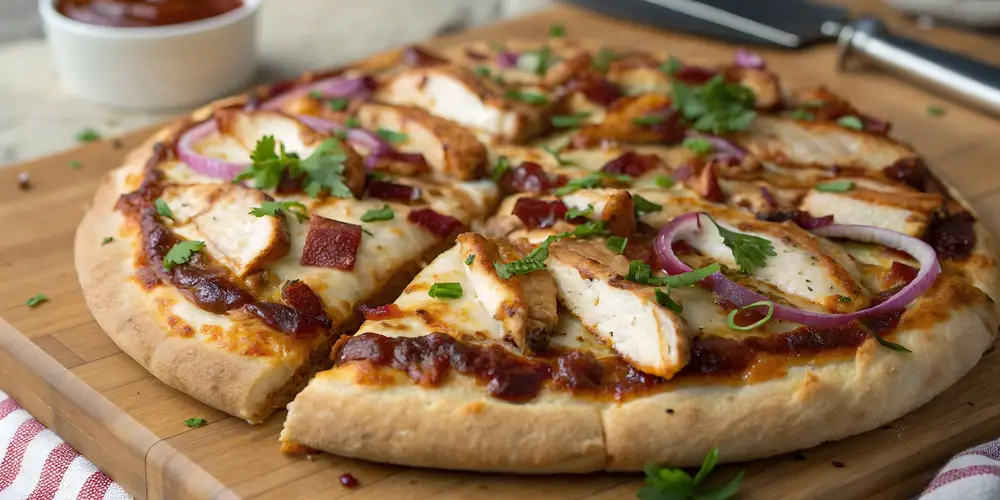
Pizza is one of the most popular comfort foods in Singapore, but not all pizzas are made the same way. While many restaurants offer their own interpretations, authentic Italian pizza is built on a foundation of tradition, simplicity, and carefully selected ingredients. The difference often lies not in the number of toppings, but in the quality of every component that goes into each pizza.
For diners searching for exceptional Italian pizza in Singapore, understanding what makes authentic Italian pizza unique can help them appreciate the craftsmanship behind every slice. At Pasta Fresca, we believe that great pizza begins with quality ingredients and time-honoured preparation methods passed down through generations of Italian cooking.
Authentic Italian pizza is rooted in culinary traditions that prioritise simplicity and flavour. Rather than masking ingredients with heavy sauces or large amounts of cheese, Italian pizza highlights the natural qualities of each component.
Many people are surprised to learn that traditional Italian pizza often contains fewer toppings than commercial pizzas. This minimalist approach allows the dough, sauce, cheese, and toppings to work together harmoniously.
Authenticity is also influenced by regional traditions. For example, Neapolitan pizza from Naples is known for its soft, airy crust and simple toppings, while Roman-style pizza often features a thinner, crispier base. Regardless of the regional variation, the common theme is a commitment to quality ingredients and proper preparation.
The dough serves as the backbone of every authentic pizza. Even the finest toppings cannot compensate for poorly prepared dough.
Many traditional pizza makers use Italian “00” flour, which is finely milled and known for producing a smooth, elastic dough.
This type of flour contributes to:
The flour creates a dough that is both delicate and flavourful while maintaining enough strength to support toppings.
One of the most overlooked aspects of pizza making is fermentation.
Allowing dough to ferment for an extended period helps:
The fermentation process gives authentic Italian pizza its characteristic aroma and depth of flavour that cannot be replicated through shortcuts.
Traditional pizza dough typically contains only four primary ingredients:
While this ingredient list may seem simple, achieving the right balance requires skill, experience, and patience.
An authentic pizza sauce should complement the dough rather than overwhelm it.
Traditional Italian pizza sauce is often surprisingly simple. Instead of relying on large amounts of sugar or artificial flavourings, it highlights the natural taste of quality tomatoes.
Characteristics of authentic pizza sauce include:
Many Italian pizza makers favour San Marzano tomatoes because of their rich flavour profile and lower acidity. These tomatoes are often grown in the volcanic soil surrounding Mount Vesuvius, which contributes to their distinctive taste.
By using fewer ingredients in the sauce, the tomatoes’ natural characteristics remain the focal point.
| Ingredient Category | Authentic Italian Pizza | Common Commercial Alternative | Why It Matters |
|---|---|---|---|
| Flour | Italian “00” flour | Standard bread flour | Produces a lighter and more elastic crust |
| Tomatoes | San Marzano tomatoes | Processed pizza sauce | Delivers fresher, more balanced flavour |
| Cheese | Fresh mozzarella | Processed cheese blends | Improves texture and authenticity |
| Olive Oil | Extra virgin olive oil | Refined vegetable oils | Adds aroma and depth |
| Basil | Fresh basil leaves | Dried herb mixes | Provides freshness and fragrance |
| Meats | Traditional Italian cured meats | Processed toppings | Creates richer flavour profiles |
| Vegetables | Fresh seasonal produce | Frozen toppings | Enhances texture and taste |
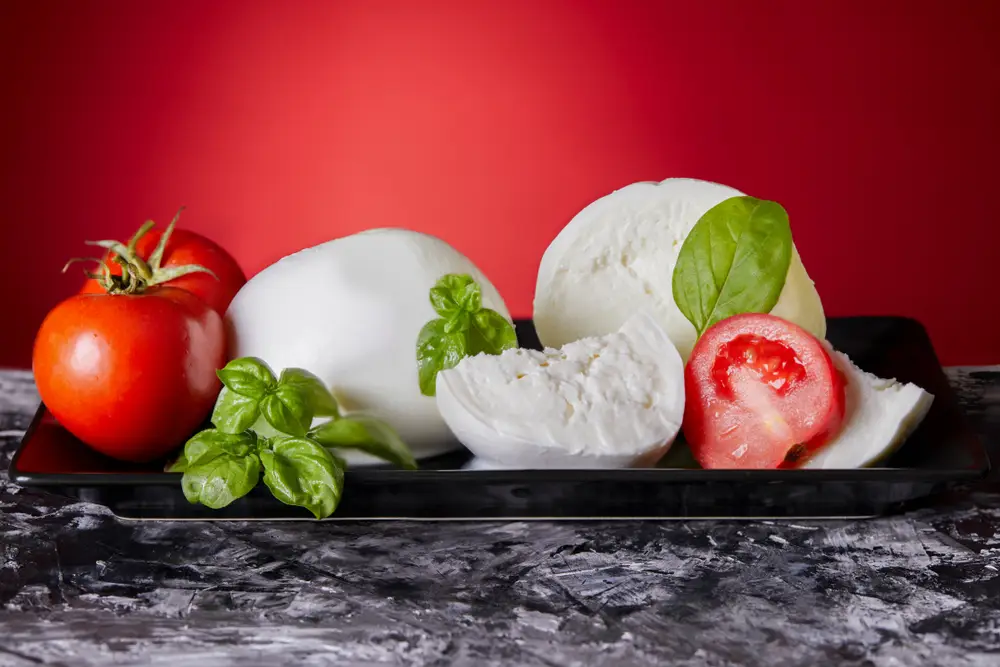
Cheese is one of the defining elements of Italian pizza. However, authentic Italian pizzas use cheese strategically rather than excessively.
Fresh mozzarella is perhaps the most recognisable cheese used in Italian pizza.
Its characteristics include:
When baked, fresh mozzarella creates pockets of richness without overwhelming other ingredients.
Buffalo mozzarella, or mozzarella di bufala, is produced using buffalo milk.
Compared to standard mozzarella, it offers:
It is frequently used on premium pizzas where ingredient quality takes centre stage.
Hard cheeses such as Parmesan and Pecorino are often used to add depth and savoury notes.
These cheeses provide:
A small amount can significantly elevate the overall flavour profile of a pizza.
One of the biggest misconceptions about pizza is that adding more toppings automatically makes a better pizza.
Authentic Italian pizza follows a different philosophy.
The goal is to create balance, allowing every ingredient to contribute without dominating the pizza.
Common traditional toppings include:
Rather than piling numerous toppings onto a single pizza, Italian pizza makers carefully select combinations that work together.
For example, prosciutto may be paired with rocket leaves and Parmesan, while seafood pizzas often feature lighter sauces and herbs that allow the seafood to shine.
This attention to balance is one of the defining characteristics of authentic Italian pizza.
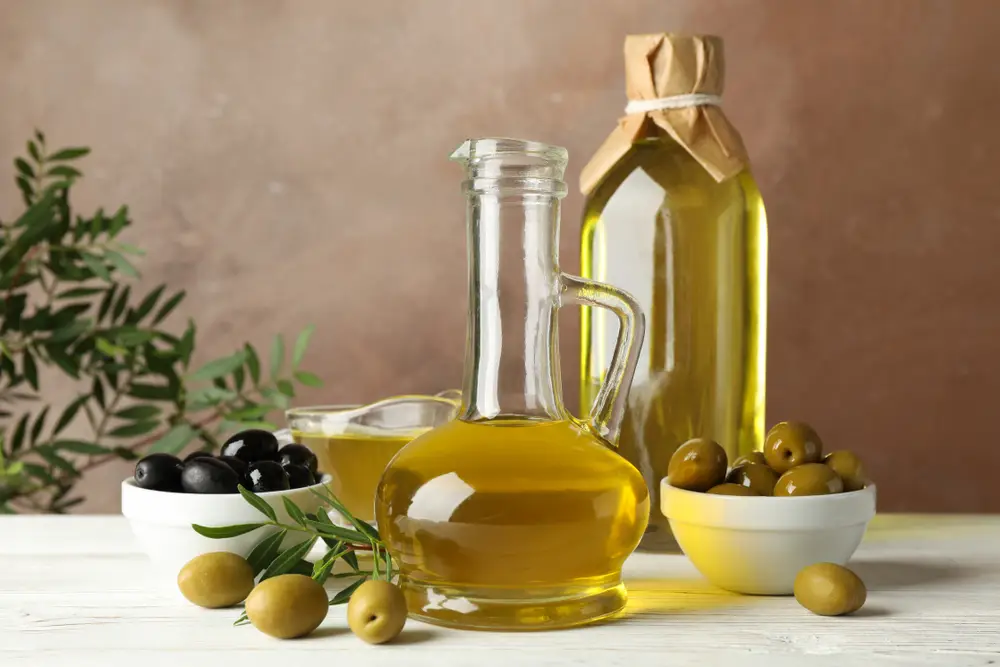
Small finishing touches often separate good pizza from exceptional pizza.
Extra-virgin olive oil plays an important role in Italian cuisine and is frequently used as a finishing ingredient rather than simply as a cooking oil.
A light drizzle of quality olive oil can:
Fresh herbs are equally important.
Basil is perhaps the most iconic herb associated with Italian pizza, but oregano, parsley, and rosemary may also be used depending on the recipe.
Fresh herbs provide brightness and fragrance that dried herbs often cannot replicate.
When combined with quality olive oil, these ingredients contribute significantly to the overall dining experience.
For diners seeking authentic Italian pizza in Singapore, there are several signs to look for when evaluating a restaurant.
Restaurants that emphasise ingredient quality are often transparent about what they use.
Look for references to:
Authentic pizza crusts often display:
These characteristics indicate the traditional pizza-making techniques that Italian pizzaiolos rely on.
An authentic pizza typically focuses on balance rather than quantity.
If every pizza is loaded with excessive toppings, it may prioritise abundance over authenticity.
Restaurants with strong Italian roots often maintain traditional preparation methods and ingredient standards.
Menus that highlight regional Italian dishes alongside pizza may also indicate a broader commitment to authentic Italian cuisine.
Several myths continue to shape perceptions of pizza.
One common misconception is that authentic Italian pizza should always be extremely thin. While some regional styles are thin, others feature thicker, softer crusts.
Another misconception is that more cheese automatically improves a pizza. In reality, excessive cheese can overwhelm the flavour balance that authentic Italian pizza seeks to achieve.
Some diners also assume that authentic pizza requires exotic ingredients. In truth, many traditional pizzas rely on readily recognisable ingredients prepared exceptionally well.
The focus is not on complexity but on quality and execution.
When it comes to enjoying authentic Italian pizza in Singapore, the ingredients carry just as much weight as the preparation. From carefully fermented dough and premium tomatoes to fresh mozzarella and extra virgin olive oil, every component contributes to the final result.
At Pasta Fresca, we remain committed to preserving the traditions of Italian cooking by using quality ingredients and authentic preparation methods. Whether you prefer a classic Margherita, a seafood creation, or a pizza topped with traditional Italian cured meats, our menu reflects the flavours and craftsmanship that define true Italian cuisine.
Explore our selection of freshly prepared pizzas and discover the difference that authentic ingredients can make.
Wood-fired ovens are strongly associated with traditional pizza making because they reach the high temperatures needed for authentic Neapolitan crusts, around 480°C. While the oven is one important factor, authenticity ultimately rests on the combined quality of ingredients, fermentation, and preparation.
Italian pizza prioritises ingredient quality and balance. Using fewer toppings allows the flavours of the dough, sauce, cheese, and selected ingredients to remain distinct and complementary.
Yes. Many traditional Italian pizzas feature vegetables, herbs, cheese, and olive oil without any meat products. Vegetarian options are common throughout Italian cuisine.
Neapolitan pizza typically has a softer, airier crust with a slightly charred edge, while Roman pizza is often thinner and crispier. Both styles are authentic but reflect different regional traditions.
Not necessarily. Authentic Italian pizza generally uses enough cheese to enhance flavour and texture while maintaining balance among all ingredients.
