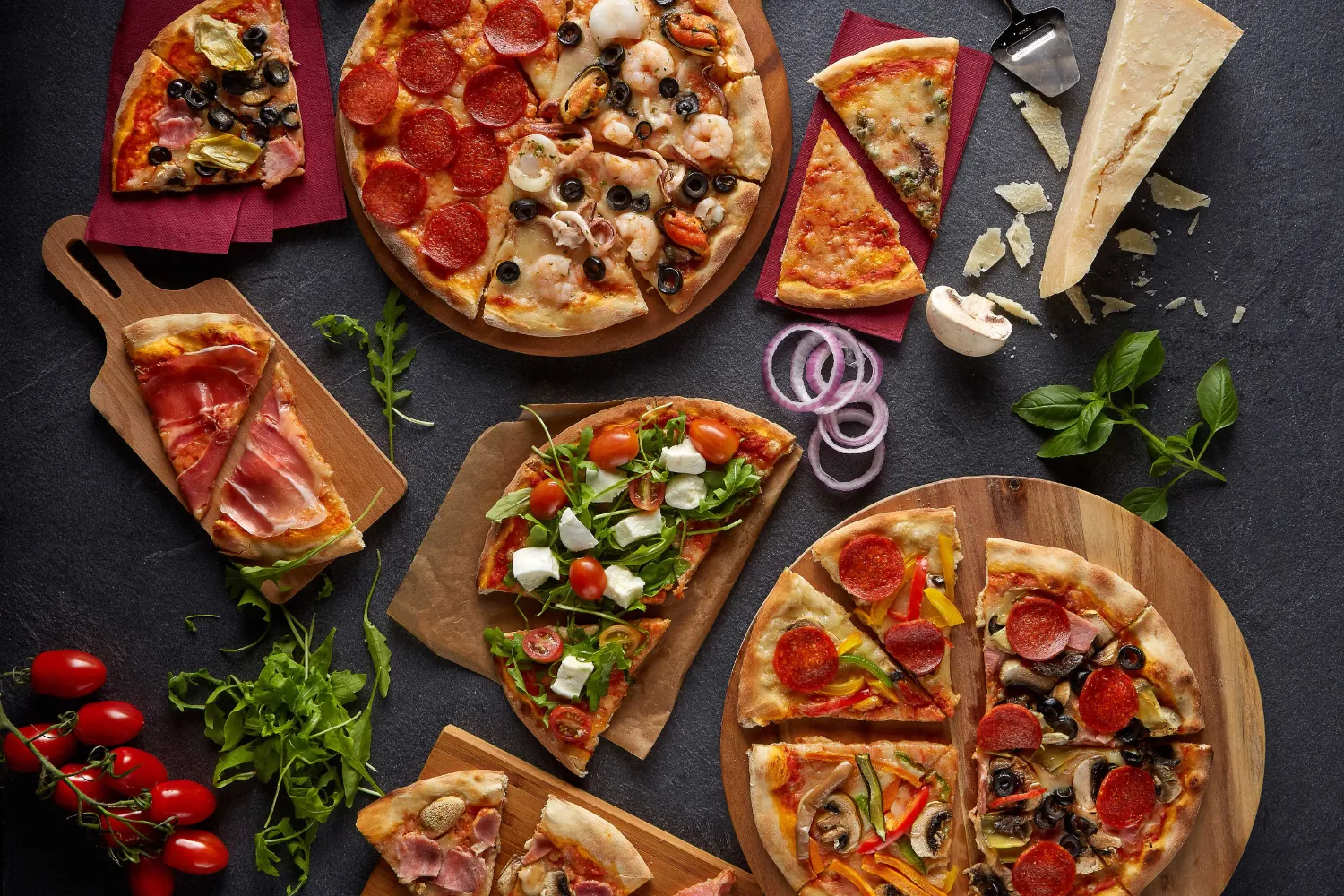
You have probably stared at a pizza menu in Singapore, wondering why one place calls itself “Neapolitan” and another “New York-style” — and whether it actually matters. It does.
The crust, the oven, dough fermentation, and even how a pizza is cut all change the experience completely.
At Pasta Fresca Da Salvatore, we have been making Italian pizza in Singapore since 1988, which means we have had a lot of time to think about what makes a great one. Here is your no-fuss guide to every style you will encounter.
Most people choose a pizza restaurant based on proximity or price. The style of pizza, however, determines everything about the eating experience — from how you pick it up (or whether you even can) to how long the flavour lingers after the last bite.
What makes pizza fascinating is how culture, history, and local ingredients shape the style. Some prefer a thin, foldable slice that can be eaten on the go, while others crave a hearty deep-dish pie served like a casserole. Singapore’s dining scene now offers the full spectrum — and knowing the difference before you order is genuinely useful.
The comparison table above gives you a quick reference. Here is the deeper story behind each one.
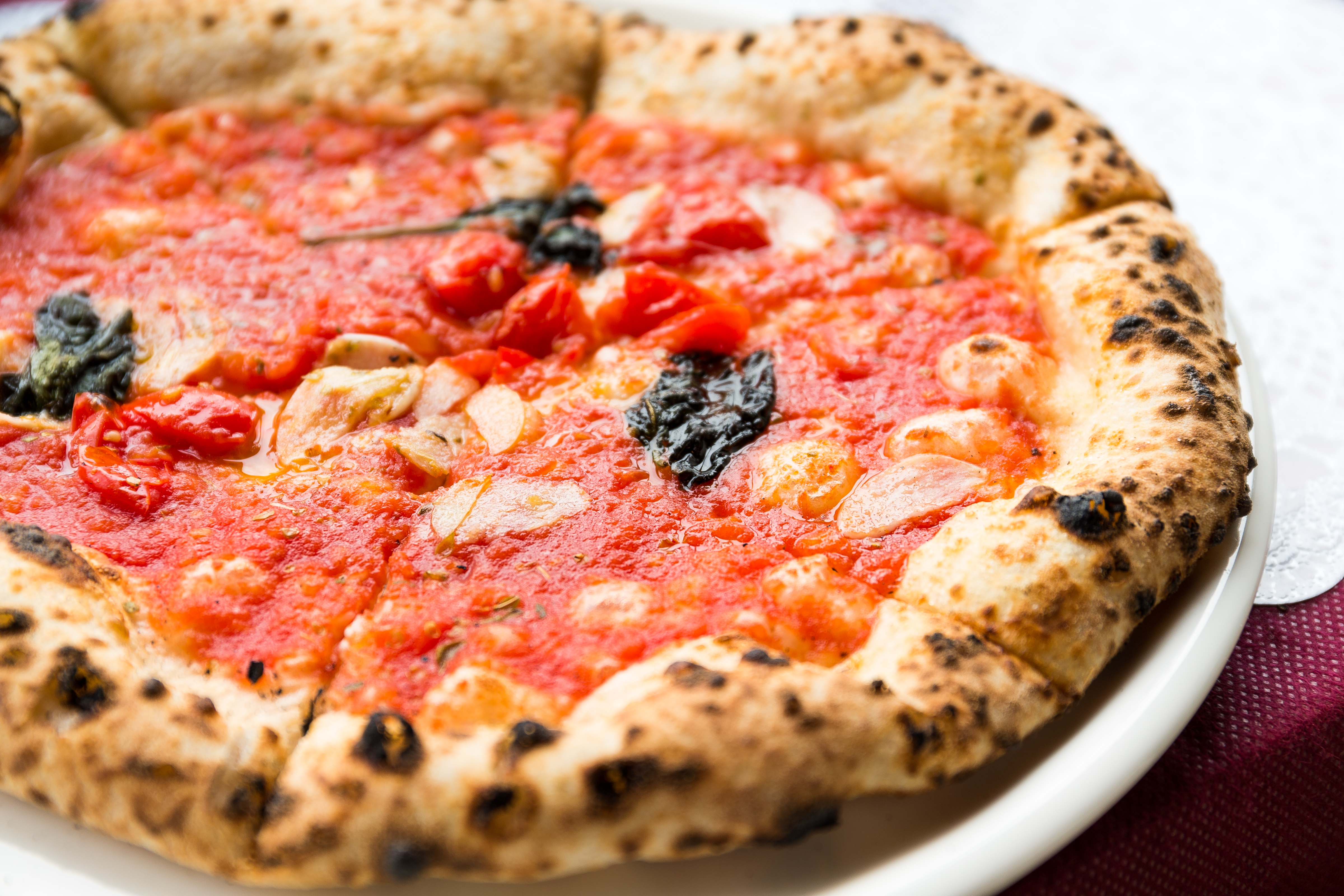
The roots of pizza run deep in Naples, Italy, but pizza as we recognise it today took shape in late 18th-century Naples as an affordable street food for working-class diners. Its defining characteristic is the crust — thin in the centre, with a puffy, charred outer rim called the cornicione, baked in a blazing wood-fired oven for just 60 to 90 seconds.
Authentic Pizza Napoletana is known for being tender, light, and slightly moist, with a simple balance of dough, tomato, cheese, olive oil, and fresh basil. Traditional versions such as Marinara and Margherita are deliberately restrained, relying on quality ingredients rather than heavy toppings.
The stakes for authenticity are genuinely high here. In December 2017, the art of Neapolitan pizza-making was added to UNESCO’s Representative List of the Intangible Cultural Heritage of Humanity. The Associazione Verace Pizza Napoletana (AVPN) also sets detailed rules for Verace Pizza Napoletana, covering everything from flour type and dough preparation to shaping technique, oven temperature, and baking time.
In Singapore, more pizzerias are now taking inspiration from this tradition, using Italian ingredients, long-fermented dough, and high-temperature ovens to recreate the soft centre, airy rim, and light char that define the style.
Neapolitan pizza is best enjoyed fresh from the oven. Because of its soft centre and high-moisture crust, it does not always travel well for delivery compared to the sturdier styles such as New York or Detroit pizza, which is why it is especially rewarding when eaten at a good dine-in Italian restaurant.
Roman (Al Taglio) — Sold By The Cut
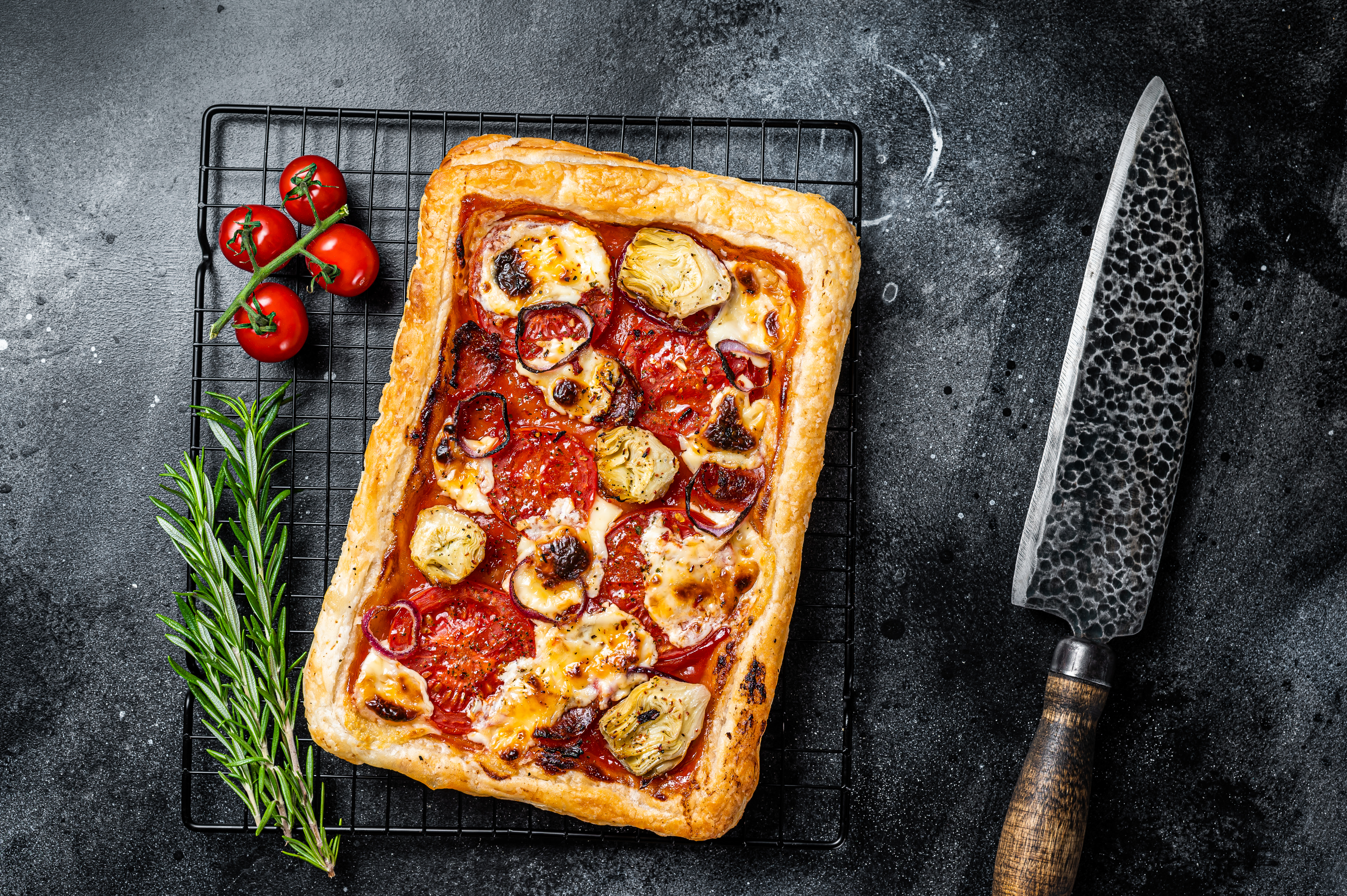
Sometimes mistaken for Sicilian pizza, Roman pizza al taglio (meaning “by the cut”) is available in giant rectangular slabs cut into squares for on-the-go eating.
Roman pizza is a very moist dough with at least 75% hydration, baked in a 250–260°C oven to give it its signature very crunchy exterior. The result is thick, airy, and focaccia-like inside, with a crisp base that holds generous toppings — far more varied than Neapolitan.
Roman pizzas often feature seasonal vegetables, cured meats, and combinations you simply would not see on a classic Neapolitan menu.
In Singapore, Roman-style pizza remains relatively rare, so it’s worth seeking out when you find it done well.
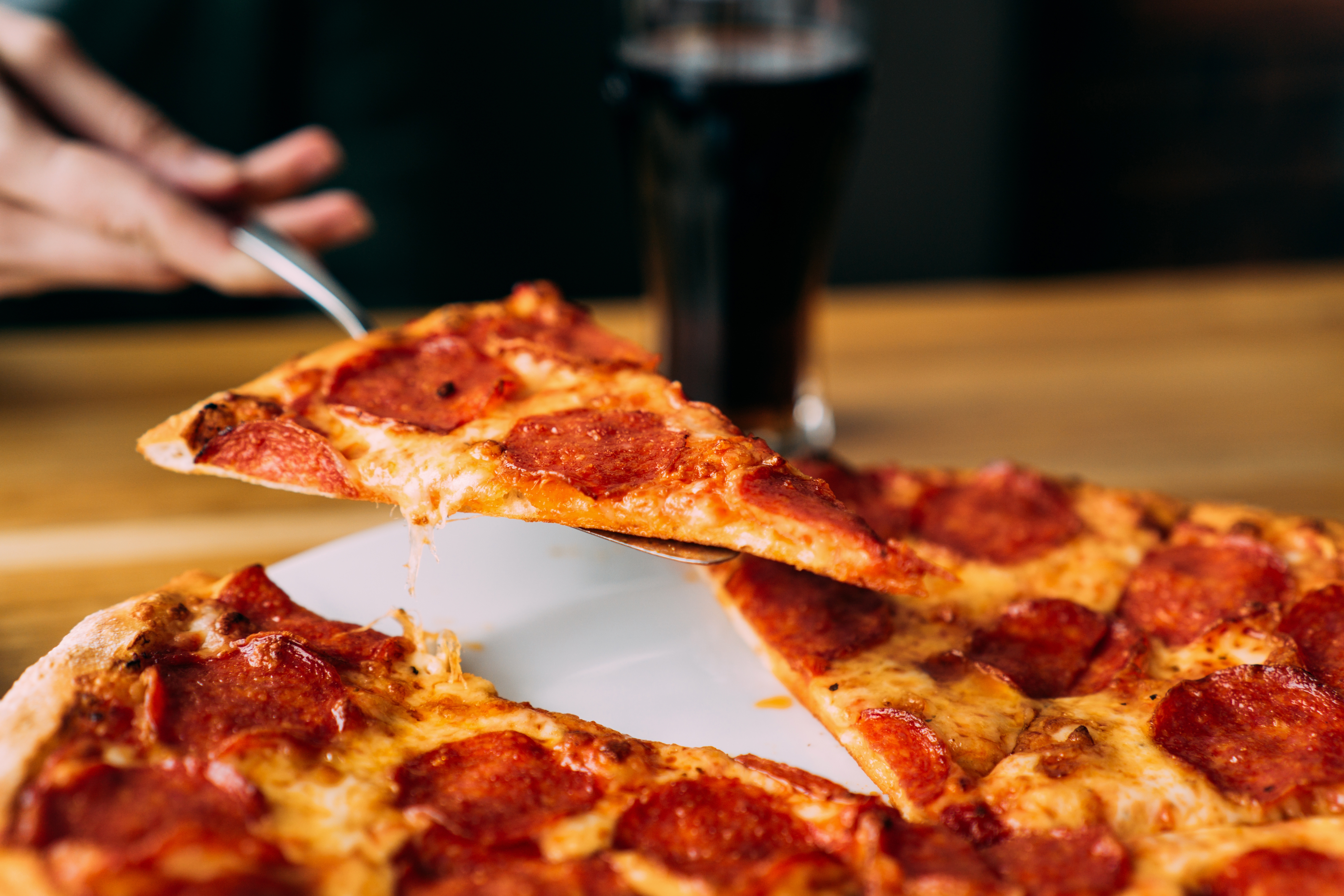
When Italian immigrants brought pizza to the United States in the early 1900s, New York City gave it its own twist. The New York style is defined by a large, hand-tossed thin base, usually 18 to 24 inches, crisp at the edges, but soft and foldable in the middle. It is topped with cooked tomato sauce and low-moisture shredded mozzarella and sold by the slice.
The New York slice is baked in a 288°C gas-fuelled deck oven, directly on the hearth, and topped with a simple crushed tomato or lightly seasoned sauce and low-moisture mozzarella.
The fold is essential. It concentrates flavour, manages the heat, and makes it entirely portable. New York pizza is built for speed and scale, which makes it well-suited to delivery.
In Singapore, New York-style pizza is sold by the slice, with a thin, crisp crust that can accommodate larger sizes and is often topped with a wide variety of ingredients.
Detroit — The Crispy-Edged Deep Pan
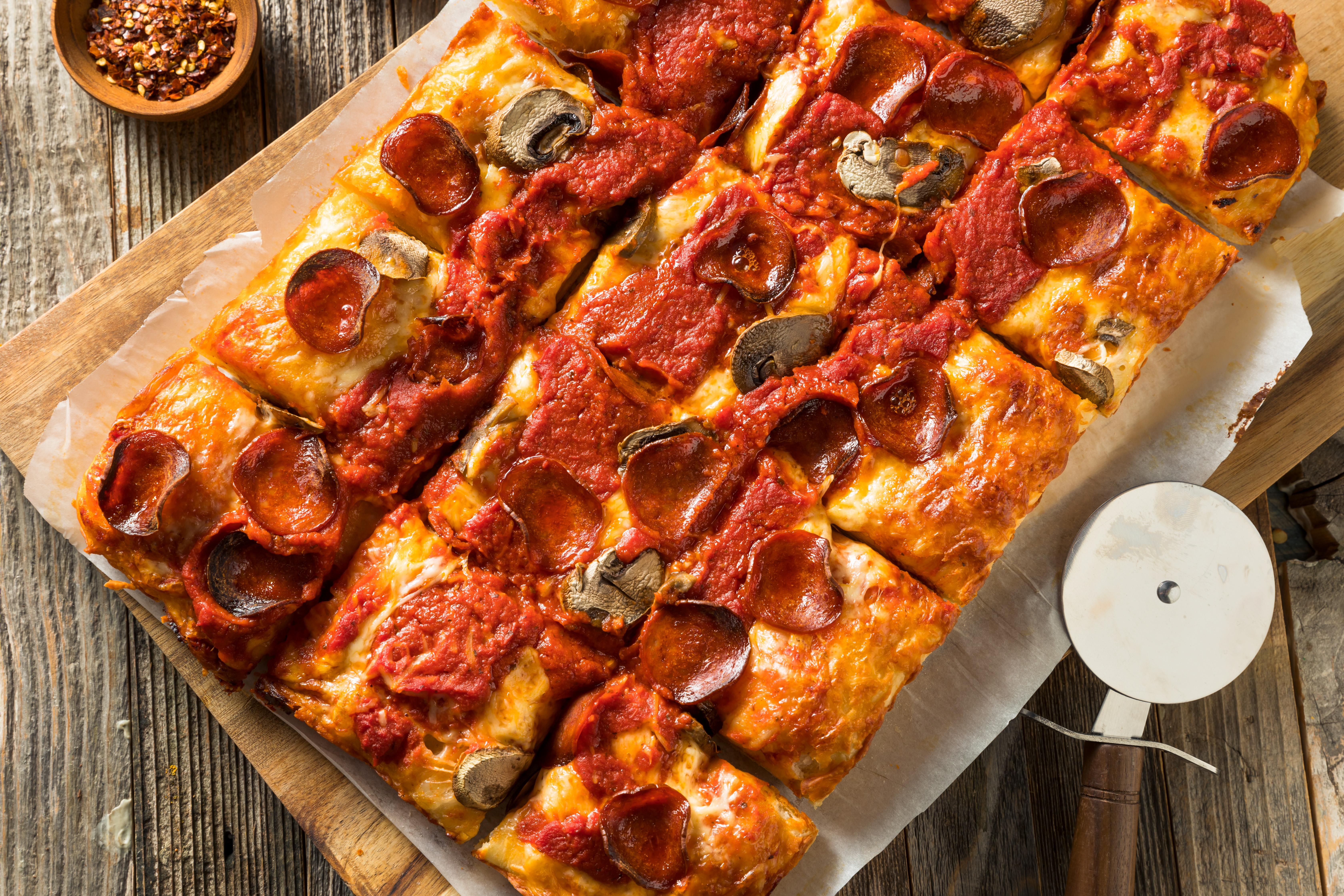
Detroit pizza is the American style generating the most excitement in Singapore’s food scene right now. Baked in rectangular steel pans originally used in auto factories, Detroit pizza has a thick, airy crust with edges caramelised by Wisconsin brick cheese.
A hallmark of the Detroit style is its Wisconsin brick cheese, cubes of which are used to cover the dough from edge to edge before toppings are added, and dollops or stripes of tomato sauce are used to finish the pizza. The result is a caramelised, crunchy cheese crust called frico around every edge, which many consider the best bite on the whole pizza.
This is the style for those who love texture contrast: a chewy, light interior against a crisp, almost fried base and edge.
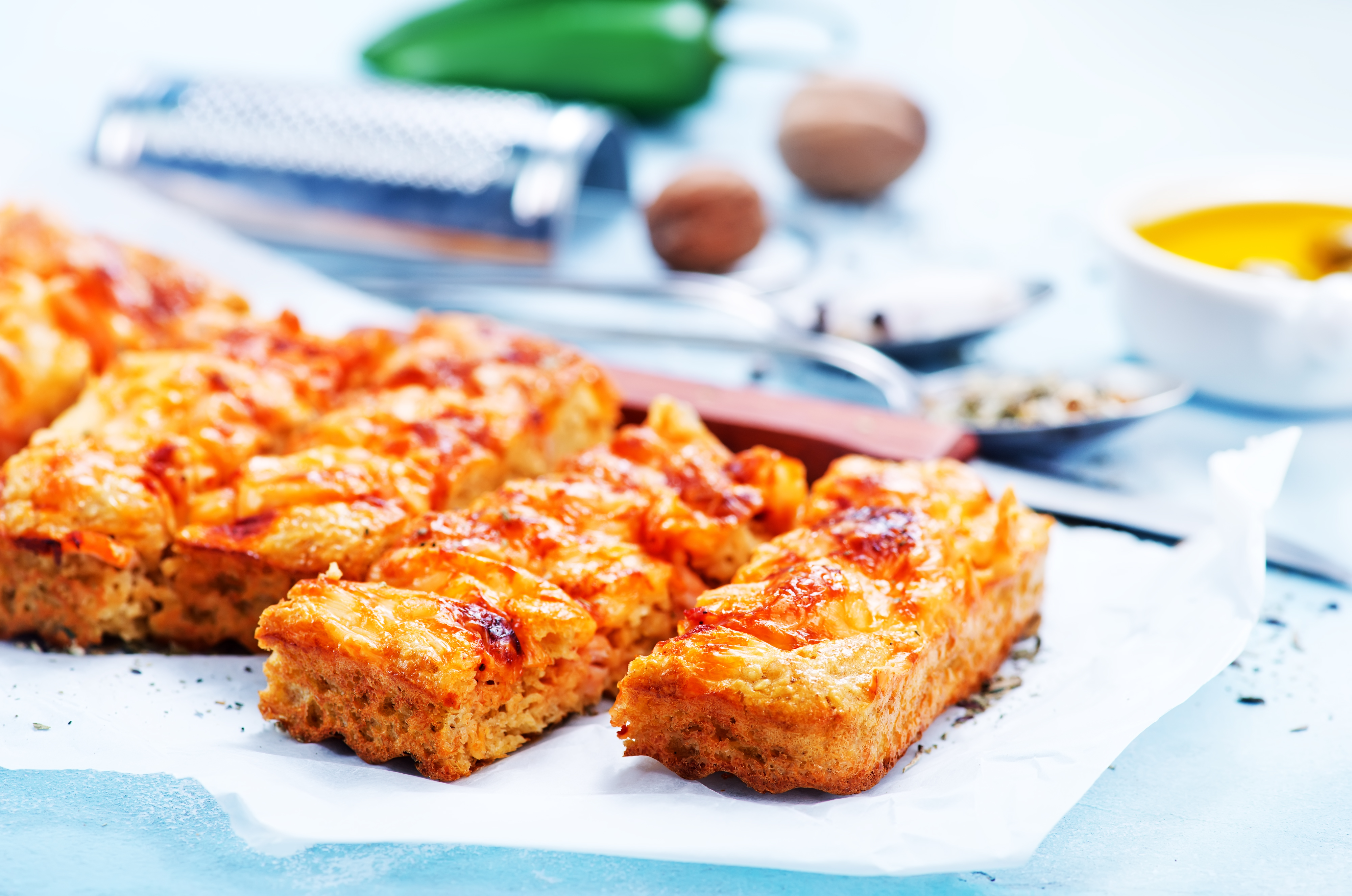
Sicilian-style pizza is distinguished by its thick, rectangular crust, which is fluffy and light, not dissimilar to focaccia. Traditionally, the cheese sits beneath the sauce and ingredients like anchovies and onions are baked into the topping.
Very few Italian pizza restaurants offer Sicilian grandma pizza in Singapore. This type of Pizza is a close relative of the sfincione, with an olive oil-coated crust, crispy edges, and a thick, airy interior. It is generous, filling, and ideal for sharing.
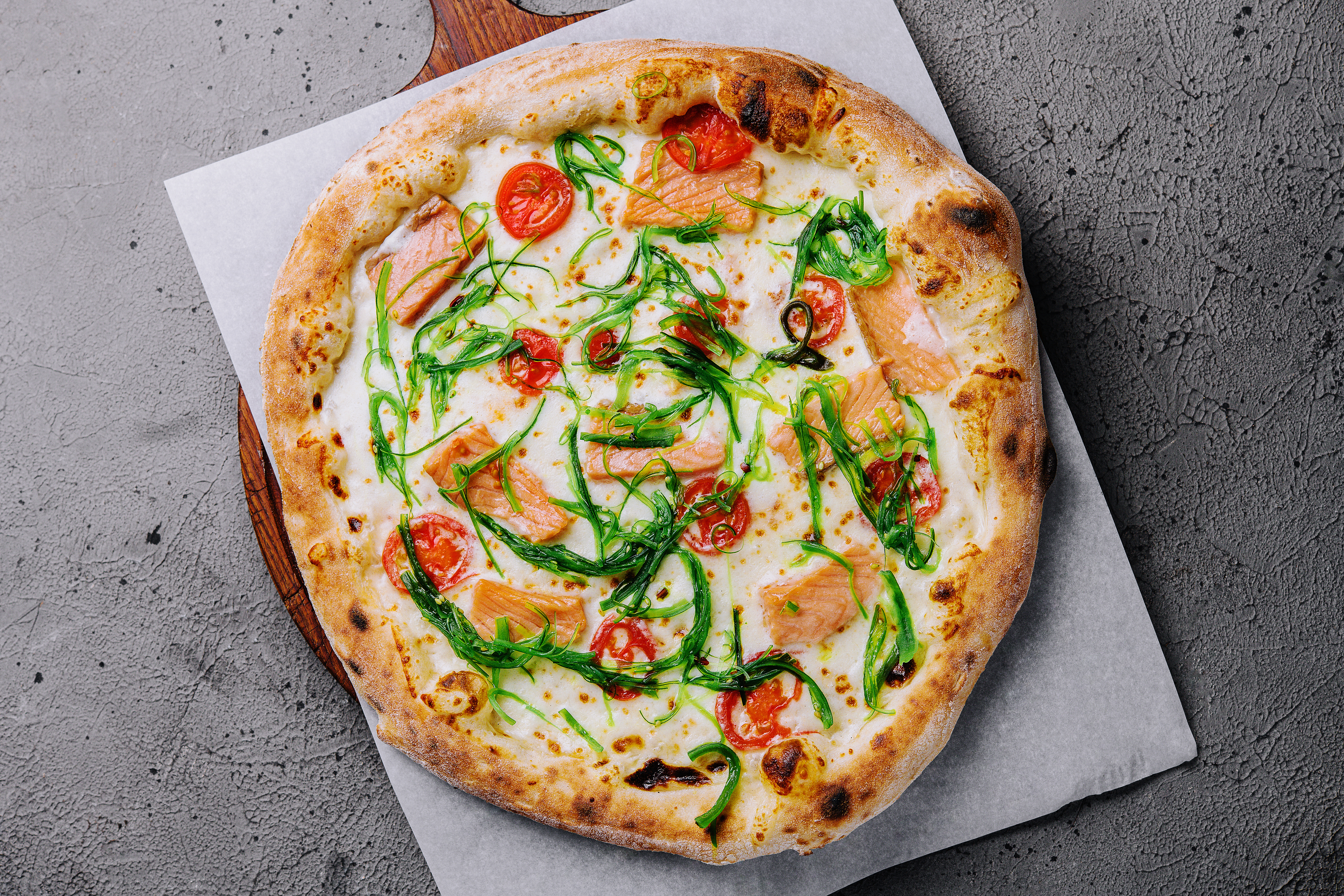
Out of the Neapolitan style, the Neo-Neapolitan style was born. This method uses the same dough as the Neapolitan and similar ingredients, but is cooked in an oven heated between 700–730°F in two to two-and-a-half minutes.
The result is a slightly crisper, more structurally stable pizza that holds up better to creative toppings and is less prone to the soft centre that traditional Neapolitan purists accept as part of the experience. Singapore’s growing number of artisan pizzaiolos tend to work in this space, delivering the flavour and char of Neapolitan with a more accessible bite.
| Occasion | Best style |
| Date night or special dinner | Neapolitan — understated, elegant, Italian |
| Casual family meal | Sicilian or Detroit — thick, hearty, shareable |
| Group ordering or delivery | New York — foldable, versatile, scales well |
| Weekend indulgence | Detroit — the cheese edges alone justify the visit |
| Adventurous palate | Roman al taglio — varied toppings, seasonal creativity |
| Modern Italian dining out | Neo-Neapolitan — crisp, creative, restaurant-quality |
Not all pizza places are equal. Here is what separates a restaurant worth visiting from one that is merely convenient:
Singapore’s pizza scene has matured considerably. From UNESCO-recognised Neapolitan traditions to Detroit’s caramelised edges and Rome’s street-food slabs, the city now offers every major style. And diners who understand the difference get far more out of every visit.
For those who want authentic Italian pizza from a restaurant that has spent nearly four decades getting it right, Pasta Fresca Da Salvatore serves Italian pizza across its three outlets at Boat Quay, Bukit Timah, and East Coast. Both dine-in and delivery are available because a great pizza should be easy to get to, wherever you are.
Buon appetito.
