AI summary
Italian menus follow a traditional sequence from antipasto to primo, secondo, contorno and dolce, but diners do not need to order every course. Pasta sits in the primo, while meat or fish usually follows as the secondo with a separately ordered contorno, making it easier to choose two, three or more courses based on appetite and occasion.
An Italian menu can look longer than the dinner you meant to order. You see antipasto, food before the meal, primo, the first substantial course, secondo, the protein course, contorno, the side dish, and dolce, dessert. Then you reach the pasta section and wonder whether it counts as a starter, a main, or something in between.
The course names describe a sequence. You can choose as many stages as suit the meal. Two courses can make a complete dinner, and three can suit a longer one. The full progression belongs more naturally to Sundays, holidays, celebrations and family gatherings.
Once you know that pasta sits in the primo, the menu becomes easier to judge. A pasta dish can form one stage of a longer meal, or it can be the centre of a shorter dinner. The headings tell you where each dish fits, while your appetite decides how far through the sequence you go.
The classic structure gives each part of the meal a place. It can begin with aperitivo, a pre-meal drink, then move to antipasto, primo, secondo with a contorno, and dolce. Longer meals may also include salad, cheese or fruit before dessert, followed by coffee and an after-meal drink.
That map is more useful than treating the menu as a checklist. Everyday meals in Italy commonly use shorter combinations, while longer progressions are especially associated with Sundays, holidays and celebrations.
An MIT lesson on Italian food culture makes the same distinction. It presents the traditional sequence from antipasto through dolce, while noting that many families now prepare a single dish for an ordinary meal.
The structure remains useful because restaurants still organise menus around it. Each heading tells you what role a dish can play in the pace of dinner. You can take two stages, three stages or a longer sequence without changing the logic of the menu.
The first stage can begin before anyone has ordered a substantial plate.
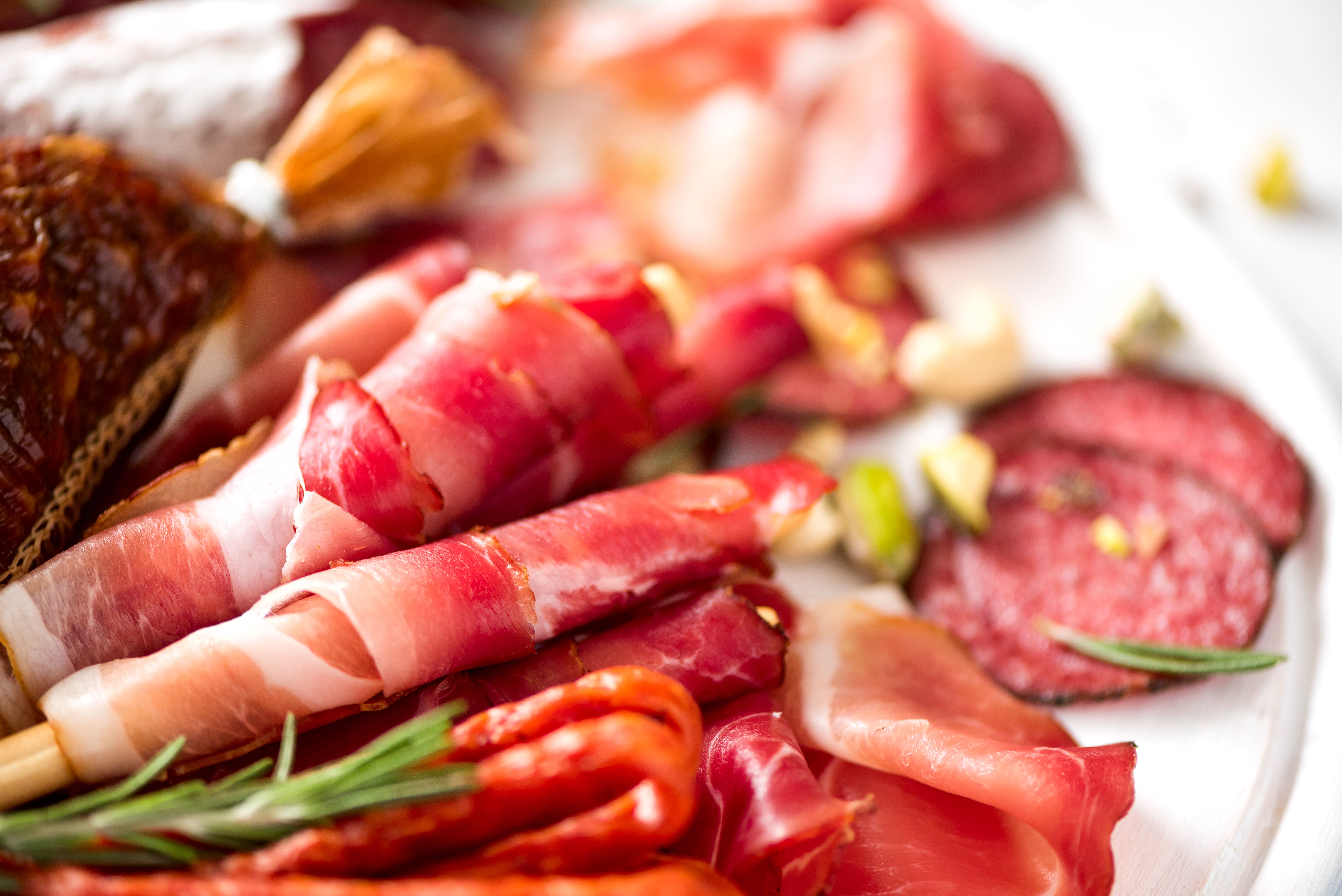
Before the first substantial course, the meal can open with an aperitivo, followed by antipasto as the first food on the table.
Aperitivo is a pre-meal drink. It often comes with something small to eat and may happen at a bar before everyone sits down.
Its role is social. It gives people time to gather and marks the start of the evening before the meal proper begins.
That position also explains why aperitivo may be absent from the food menu. It sits around the start of the meal, outside the main course sequence.
Antipasto literally means ‘before the meal’. It opens the food sequence with small portions that prepare the appetite for what follows.
The contents vary by region and season. Cured meats, cheeses, marinated vegetables, seafood and small fried dishes can all appear in this part of the meal. Several items may also arrive together for the table to share.
Antipasto leads into the first substantial course. That is where pasta sits.
Primo means ‘first’. In a traditional meal, it is the first substantial course, and it commonly includes pasta, risotto, gnocchi, polenta or soup.
This placement resolves much of the portion question. In a full traditional sequence, the primo is one stage of the meal. A diner may continue to a secondo, while a shorter dinner can make the primo the final savoury plate.
The distinction also explains why pasta and meat appear in separate menu sections. Italian meal structure gives the starch-based first course and the protein-based second course different moments at the table.
In many pasta dishes, the sauce coats and complements the pasta, so shape, texture and sauce still read as one plate.
Regional identity often shows strongly in the primo. Pasta shape, grain, broth, cheese and sauce can change markedly from one area of Italy to another. The first-course section can therefore tell you a great deal about the kitchen’s influences.
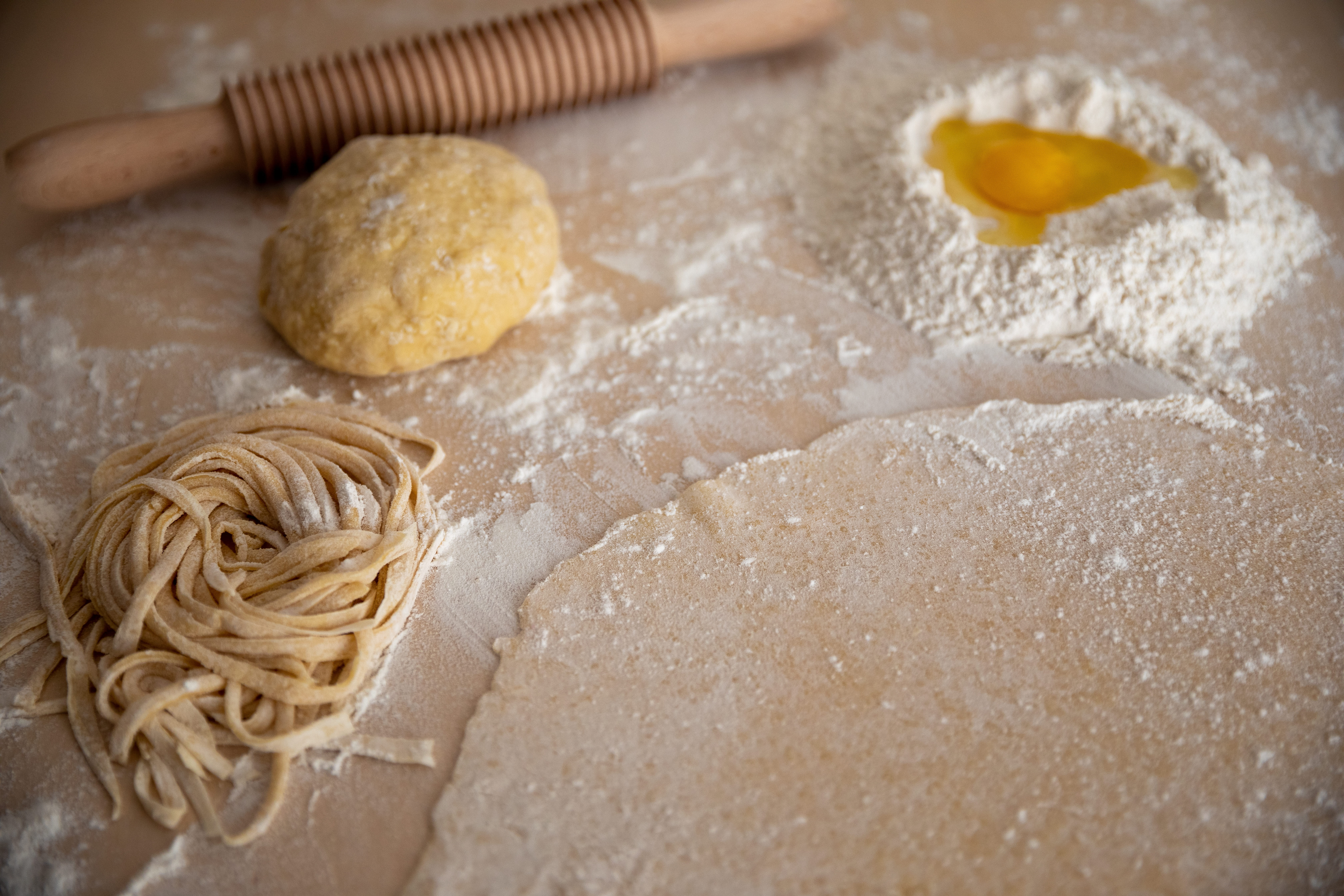
Fresh pasta brings another set of choices into the same course. Shape, thickness, filling and sauce all affect the finished plate. A kitchen that makes pasta fresh gives the primo room for many combinations without changing where it sits in the meal.
That is why Italian cuisine in Singapore can present a large pasta selection while keeping meat, fish, sides and dessert in their own sections. The number of pasta choices expands the primo, while meat, fish, sides and desserts keep their own sections.
After the starch-based first course, the traditional sequence moves to the protein course and its side dishes.
After the primo, the meal shifts from starch to protein, with the contorno adding a separate side alongside it.
Secondo means ‘second’. It is a course built around protein, commonly meat or fish, with eggs appearing in some regional dishes.
Its relationship with the primo matters more than any fixed idea of portion size. A secondo follows a substantial first course in the full sequence, so the two dishes perform different jobs. The first course may focus on pasta or rice, while the second shifts attention to the protein itself.
Preparations can be simple or elaborate depending on the dish and region. The important point is the separation. A secondo stands as its own course, separate from the pasta served earlier.
Contorno means ‘side dish’. Vegetables and potatoes commonly appear here, and salad can also serve as a contorno.
A contorno is generally ordered separately from the secondo and served on its own plate. This lets the protein and side keep their own seasoning, temperature and texture. If you want vegetables alongside the secondo, add a contorno as a distinct item.
The separate listing makes contorno easy to overlook on a first reading of the menu. A secondo can therefore arrive without vegetables unless a side was ordered.
Contorni also shares easily because the plate already sits apart from the secondo. A table can place one or more vegetable dishes in the middle while each diner follows their own course sequence.
Once the savoury courses finish, the meal can close in several ways.
Once the savoury courses are finished, a longer meal may move through a few lighter stages before dessert and coffee.
Insalata means salad, while formaggi e frutta means cheese and fruit. These can appear around the end of a longer savoury meal, although they are optional parts of the broader structure.
Salad may also function as a contorno earlier in the meal. Cheese or fruit can create a gentle transition towards dessert during a longer celebration.
A shorter dinner may move directly from the final savoury plate to dolce.
Dolce means dessert. Tiramisù, a layered coffee and mascarpone dessert, panna cotta, a set cream dessert, gelato, Italian-style ice cream, and regional cakes can all sit here.
Dessert closes the food sequence. Its position matters more than the particular sweet you choose.
Caffè means coffee. In the traditional sequence it follows dessert, while digestivo means an after-meal drink and appears at the end where one is offered.
Coffee after dessert is simply a convention. The sequence explains why the coffee section often comes after dolce on an Italian menu.
At this point, knowing the map leaves one practical decision. You still need to decide how much of it suits tonight’s meal.
Choose the length of the meal before choosing individual dishes. Appetite, time and occasion give you a better guide than trying to complete every menu section.
| If you want | One possible sequence |
| A lighter meal | Antipasto + primo |
| A pasta-led dinner | Primo + dolce |
| A fuller savoury meal | Primo + secondo + contorno |
| A long celebration | Antipasto + primo + secondo + contorno + dolce |
Think of these as flexible combinations. A two-course dinner can feel complete if the primo is the focus. A longer meal works when dinner itself is the main event and the table has time to move through several stages.
The table can also mix those patterns. One person might choose primo and secondo, while another takes antipasto and primo. Someone else may stop after pasta and join the table again for dessert.
The restaurant can pace those choices because each order still follows the same course order. Tell the server which courses each person plans to have, especially when some guests will continue to a secondo.
Sharing is easiest around antipasti and contorni. Antipasti often come as small plates or platters, while contorni arrive separately from the protein. Both formats can sit comfortably in the middle of the table.
At Pasta Fresca, a diner who wants pasta to remain the centre of dinner can choose a primo and finish with dolce. A longer meal can continue from the pasta to a secondo and contorno.
The same structure becomes especially useful on an Italian menu in Singapore, where the number of pasta combinations can make the primo look larger than every other section.
Italian restaurants in Singapore often use the same underlying course structure even when some headings appear in English. Pasta sits where the primo would sit, while mains, sides and desserts follow the roles of secondo, contorno and dolce.
A restaurant built around fresh pasta can give the primo far more choice than a short fixed list. At Pasta Fresca, we currently offer more than 16 pasta types and 21 sauces. Our fresh pasta is prepared in our kitchens daily, so the first course can vary by pasta type, filling and sauce combination.
That range makes more sense once you read it as a single course with many choices. You are choosing what the primo will be, then deciding whether your meal continues beyond it.
Our fresh Italian pasta at Pasta Fresca shows how those pasta and sauce choices work inside the first-course part of the menu. The rest of the meal keeps the same broad sequence around that choice.
The useful question stays simple. Decide whether pasta will be the centre of a shorter dinner or one stage in a longer one, then order the surrounding courses to match.
That brings the whole menu back to one decision you can make before reading every dish.
The Italian course sequence is a map. It shows where each dish belongs and how one part of the meal can lead into the next. It leaves the length of dinner with you.
Knowing that pasta sits in the primo solves much of the ordering question. You can make it the centre of a two-course meal, continue to a secondo and contorno, or build the longer sequence around a celebration.
At Pasta Fresca, we use that structure to give you choices within the meal and several ways through the sequence. Fresh pasta can stay at the centre, or it can sit between antipasto and the courses that follow.
On your next visit, decide how many courses you want before opening the menu. Then choose within those sections. See how the sequence translates into our dishes available at Pasta Fresca.
Pasta traditionally sits in the primo, which is the first substantial course. In a full sequence, a secondo can follow it, while a shorter dinner can make pasta the final savoury course.
Two or three courses are completely normal. The full progression is more closely associated with long meals, holidays, Sundays and celebrations.
A contorno is a side dish, often vegetables, potatoes or salad. It is generally ordered separately from the secondo and served on its own plate.
Each person can choose the sequence that suits their appetite. The table can mix shorter and longer orders while keeping the same course order.
Everyday meals in Italy often use shorter combinations. Longer progressions are especially associated with Sundays, holidays, family gatherings and celebrations.
