AI summary
An Italian reunion dinner can work when the family stays together at one table, shares food and has time to talk. The key is to plan the headcount, dietary needs, table setup and group menu early, while keeping the reunion itself at the centre of the occasion.
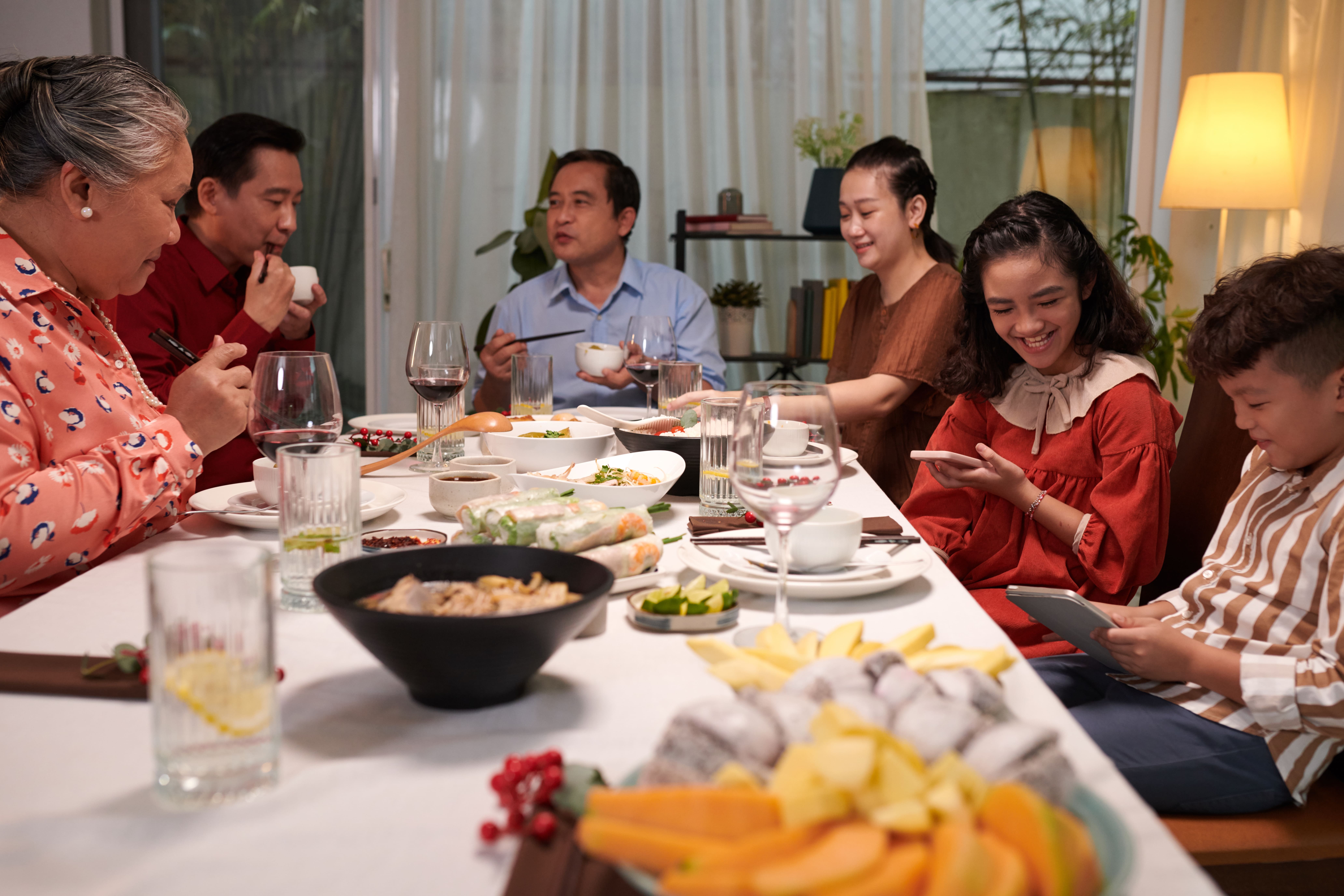
The family has outgrown the dining table. Someone is on a folding chair, the children are squeezed between adults, and the person who usually cooks spends more time moving between the kitchen and table than sitting with everyone else.
A restaurant changes those practical details without changing what the gathering is for. The family still comes together, sits within speaking distance, shares food and stays long enough to catch up. The gathering carries the occasion. The venue is the variable.
That is the useful way to think about an Italian reunion dinner. Start with the shape of the gathering before deciding on the cuisine. You need a table that keeps everyone together, food that can be shared, enough time for conversation and a plan that works across three generations. Once those conditions fit, the menu becomes a separate choice.
A reunion dinner works through five practical conditions. They decide whether a large booking feels like one family meal or several smaller dinners happening near each other.
The first condition is easy to underestimate. Restaurant capacity and reunion-table capacity are different numbers. A dining room may hold a large group overall while its largest single table holds far fewer people.
That distinction changes the enquiry. Ask how many people can sit together before asking how many people the restaurant can seat in total. If one table is impossible, ask whether adjacent tables can keep the family within easy speaking distance.
Pacing matters for the same reason. A reunion dinner needs enough time for people to move between eating and conversation. A planned course sequence can give the table that rhythm without leaving the organiser to manage when every dish should appear.
Children affect the setup as well as the menu. A high chair changes the space around a table. A pushchair may need somewhere to sit clear of the service route. Older relatives may need an easier path from the entrance to their seats.
The last condition is the one that changes the evening most for the usual host. Moving the meal to a restaurant lets the person who normally cooks, serves and clears stay at the table with everyone else.
Once those five conditions are in place, the cuisine can be considered on its own terms. Italian family dining has several structural features that can work well with that kind of gathering.
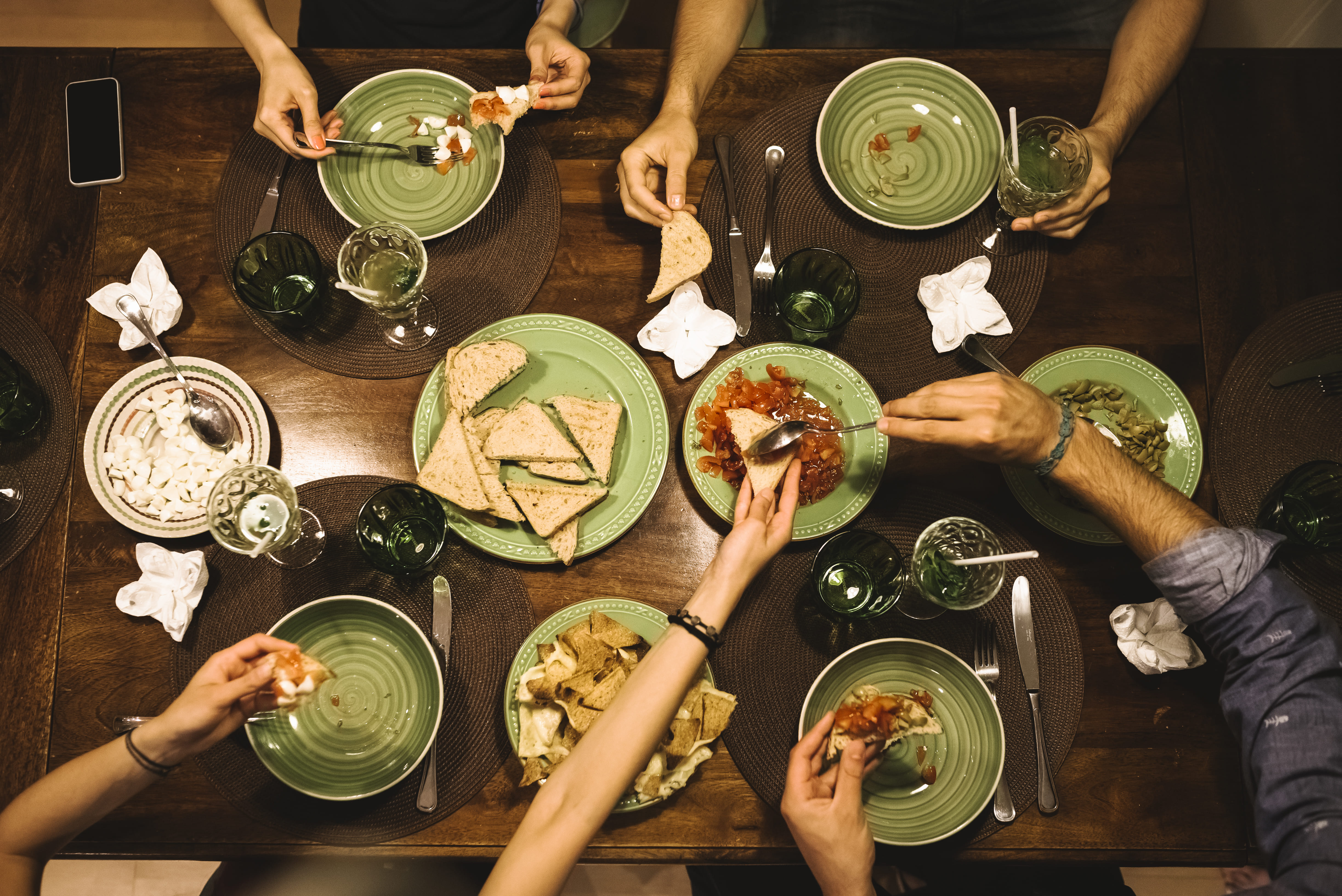
Italian family dining also gives the table a strong role. Shared dishes can open the meal, courses arrive in sequence, and people can stay seated through a longer dinner.
Antipasto makes the overlap easy to see. A platter of cured meats, cheeses, vegetables or other small dishes can sit in the centre while everyone takes what they want. The useful similarity is the serving method. Food is within reach of the group and the table participates in the meal together.
The course sequence can also give a reunion dinner a natural pace. Antipasto can open the table. Pasta or another first course can follow. A second course and side dishes can arrive later, with dessert closing the meal when the family is ready.
That sequence creates pauses without making the evening feel stalled. People can finish one part of the meal, continue a conversation and then move to the next dish.
The similarity is structural. Italian dishes carry their own traditions and meanings, just as reunion dishes can carry meanings specific to a family or occasion. The overlap is in the way people sit, share food and spend time around one table.
That structure still has to work for the people at the table. A reunion dinner may include grandparents, adult siblings, young children and several different dietary needs, so the next test is whether the menu can accommodate that range.
A large family rarely needs every person to want the same dish. It needs enough flexibility for different appetites while the meal still moves as one table.
Familiar ingredients and manageable portions can make menu choices easier to discuss. Pasta, soup and simply prepared fish may provide straightforward options, depending on the menu.
If an older relative needs a smaller portion, milder seasoning or another adjustment, mention it when enquiring so the team can confirm what is practical. The same applies to seating or access needs that affect where the family should sit.
Children often need a simpler plan and an earlier sense of what they will eat. Across Pasta Fresca’s outlets, high chairs and booster seats are available, and smaller portions or milder seasoning can be requested for younger diners where practical.
Those details are worth discussing before the meal.
Vegetarian requirements, allergies and ingredient restrictions should be collected when you confirm the headcount. Advance notice gives the restaurant time to confirm which dishes or adjustments are suitable.
This matters more in a large family because one late dietary request can affect the pacing of several dishes. Bringing the requirements together early keeps the planning with the organiser before the dinner and gives the kitchen a clearer service plan.
With the family’s needs collected, the next decision is how the food should be ordered for the group.
A large family needs an ordering plan that keeps everyone in the same meal. For a private group booking, one option is a set menu agreed in advance where available. Another is to choose a selection of dishes for the table to share where the restaurant and menu allow.
A set menu fixes the course sequence before the family arrives. The kitchen knows what the group is eating and can pace the courses around the table. It also gives the organiser a clearer food plan before the evening begins.
Sharing dishes works differently. The table can choose suitable antipasti, pasta, second courses or sides in quantities intended for several people, subject to the way each dish is served. The restaurant can advise what shares well and what is better ordered individually.
Both approaches reduce the amount of decision-making after a large group sits down. Twelve people choosing every course independently can take time, and separate choices can send the table through dinner at very different speeds.
For larger private gatherings at Boat Quay, Pasta Fresca currently offers set-menu and buffet options for private events. That makes it worth asking whether a normal restaurant booking or the Boat Quay private-event arrangements fit the group better.
The aim is a service plan the family can forget about once everyone arrives. With the ordering format settled, the occasion itself determines how the dinner should be framed.
Christmas and Chinese New Year deserve separate treatment because the family expectations around them are different.
Christmas family meals can take many forms, from a meal at home to a restaurant gathering. An Italian dinner changes the venue and menu while leaving the reason for getting together with the family.
Chinese New Year carries a different set of expectations. The reunion dinner on Chinese New Year’s Eve has its own significance and place.
Families may also have lunches or dinners later in the festive period. The wider Chinese New Year period lasts fifteen days, so a later gathering can have a different venue or menu while the reunion dinner on the eve retains its own place.
That distinction matters. An Italian meal later in the festive period can simply be another family gathering. The reunion dinner on the eve keeps those dishes and practices in their own cultural place.
The same restaurant format can work at other points in the year. A milestone birthday may bring siblings and cousins back to one table. An anniversary can become a wider family dinner. A visit from relatives abroad may create the same need for a table large enough to keep everyone together.
Large tables can become harder to secure around major festive dates, so enquire early once the family has a likely headcount. This matters most when you need one table or several adjacent tables, because those configurations are more limited than individual seats.
The booking conversation should therefore start with the shape of the table.
Ask about the largest single table before asking about total restaurant capacity. For a reunion dinner, the number of people who can sit together is the useful number.
If the group is too large for one table, ask how adjacent tables can be arranged. The goal is to keep people close enough to pass dishes, join the same conversation and move between seats without dividing the family into separate groups.
A private or semi-private space can help when the headcount grows. At Pasta Fresca Boat Quay, private-event options include exclusive use of part or all of Level 2, depending on the setup. Projector, screen and sound-system facilities are also available, with arrangements depending on the space selected.
Timing should be confirmed at the same stage. Ask how long the table is held and whether the festive service uses fixed seating times. That tells you whether the booking allows the slower pace you want.
Access deserves equal attention. Confirm high chairs, lift or step access, nearby parking and the route from the entrance to the table if older relatives or young children are joining.
Pasta Fresca currently has outlets at Boat Quay, Bukit Timah and East Coast/Siglap. Each location has its own layout, so ask about the specific outlet and confirm its table configuration.
The key question is simple: how many members of the family can sit together in the configuration available on your date? Once that answer works, the menu and service plan can be built around it.
The gathering is the tradition. The venue is one practical choice around it. A restaurant works for a reunion when the family can sit together, share food, take time over the meal and let the usual host stay at the table.
Start with four details before you enquire: headcount, preferred date, preferred outlet and dietary requirements. Those answers let us check which table arrangements are realistic and which menu formats we can discuss. They also give us time to plan around children, older relatives and ingredient restrictions.
When you contact Pasta Fresca, send us those four details first. We can then discuss whether a regular table or a larger-group arrangement suits the family.
A family Italian restaurant in Singapore should make the practical side of gathering easier. For us, that starts with knowing who needs to sit at the table.
It depends on the outlet, date and table configuration. Ask for the largest single-table arrangement first, then ask about adjacent tables if the group is larger.
A set menu agrees with the dishes and course sequence before the dinner, so the kitchen can prepare and pace the group around one plan. At Pasta Fresca, set menus are currently available for private events at Boat Quay, with options depending on the event and group.
Yes, families can raise children’s needs when enquiring. High chairs and booster seats are available across Pasta Fresca’s outlets, and requests such as smaller portions or milder seasoning can be discussed with the team.
Enquire once you have a likely date and headcount, especially when you need a large single table or several adjacent tables. Larger configurations have fewer options than ordinary individual reservations, so early planning gives the restaurant more setups to consider.
Many dietary needs can be discussed with advance notice, but the available adjustment depends on the dish and requirement. Send vegetarian requirements, allergies and ingredient restrictions with the headcount so the team can confirm suitable options before the meal.
