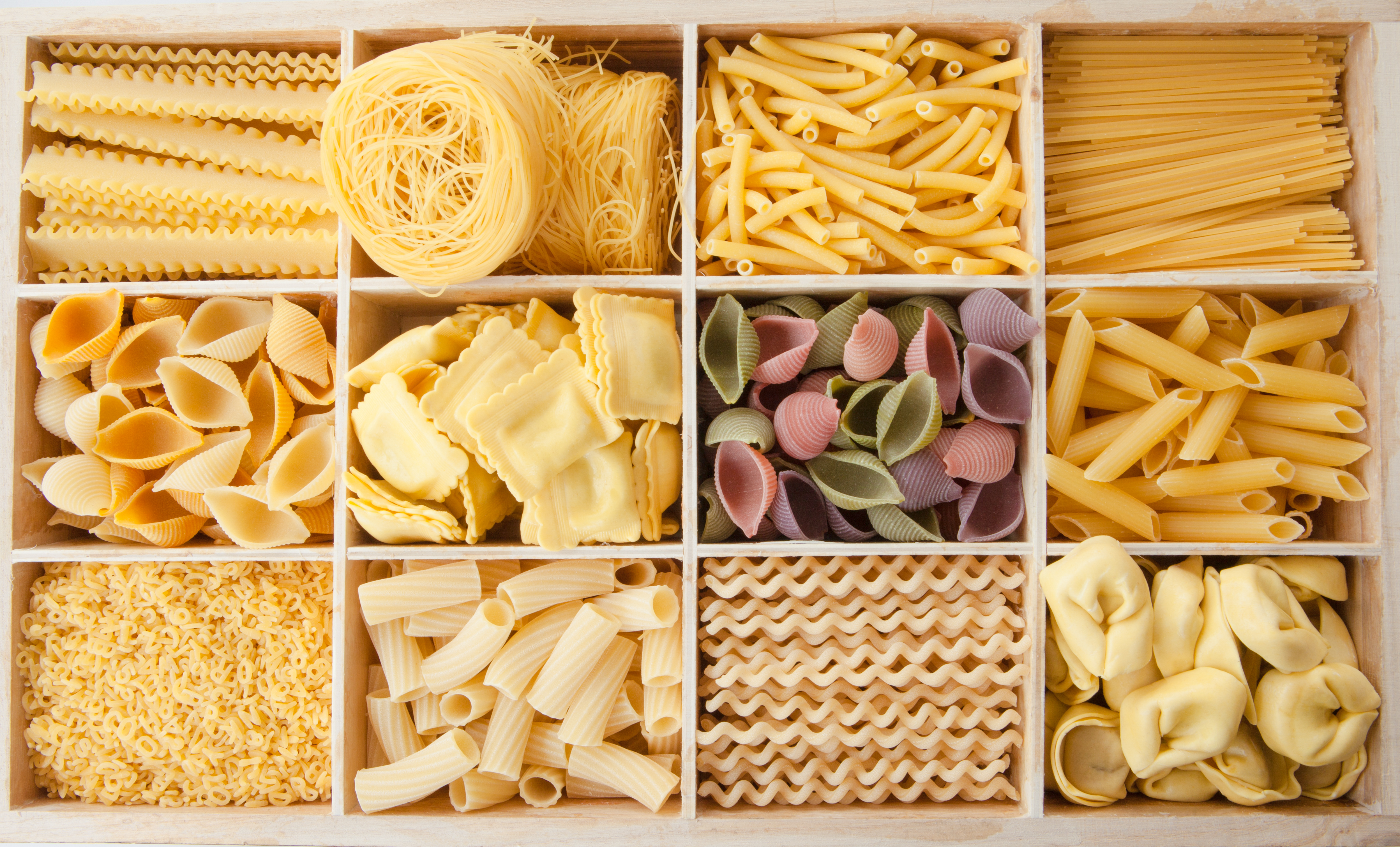
Order the wrong pasta with the wrong sauce, and something just feels off. The sauce slides away, the texture fights back, and the whole dish falls short. It is a more common mistake than you might think.
At Pasta Fresca Da Salvatore, where fresh handmade pasta has been produced daily since 1988 using quality Italian ingredients, getting the shape-to-sauce match right is not just a preference; it is a principle. Here is everything you need to know.
The Italians designed each pasta variety to pair with a specific type of sauce, so the two work in perfect harmony. In Italy, pasta shapes aren’t decoration; they’re a function. The goal is one perfect bite: pasta and sauce together, not pasta with sauce sliding off.
Think about it structurally. A ridged surface grips sauce. A hollow centre traps it. A wide, flat ribbon can carry weight. A delicate strand cannot. The quality of the grain used is what makes a pasta “good,” so you’re just as likely to encounter an outstanding dried pasta as you are a fresh one — but for stuffed and layered shapes, fresh pasta is almost always the better choice.
At Pasta Fresca, all pasta is produced fresh daily in-house using imported Italian ingredients. Fresh pasta has a superior texture which absorbs sauces well, resulting in a more satisfying taste.
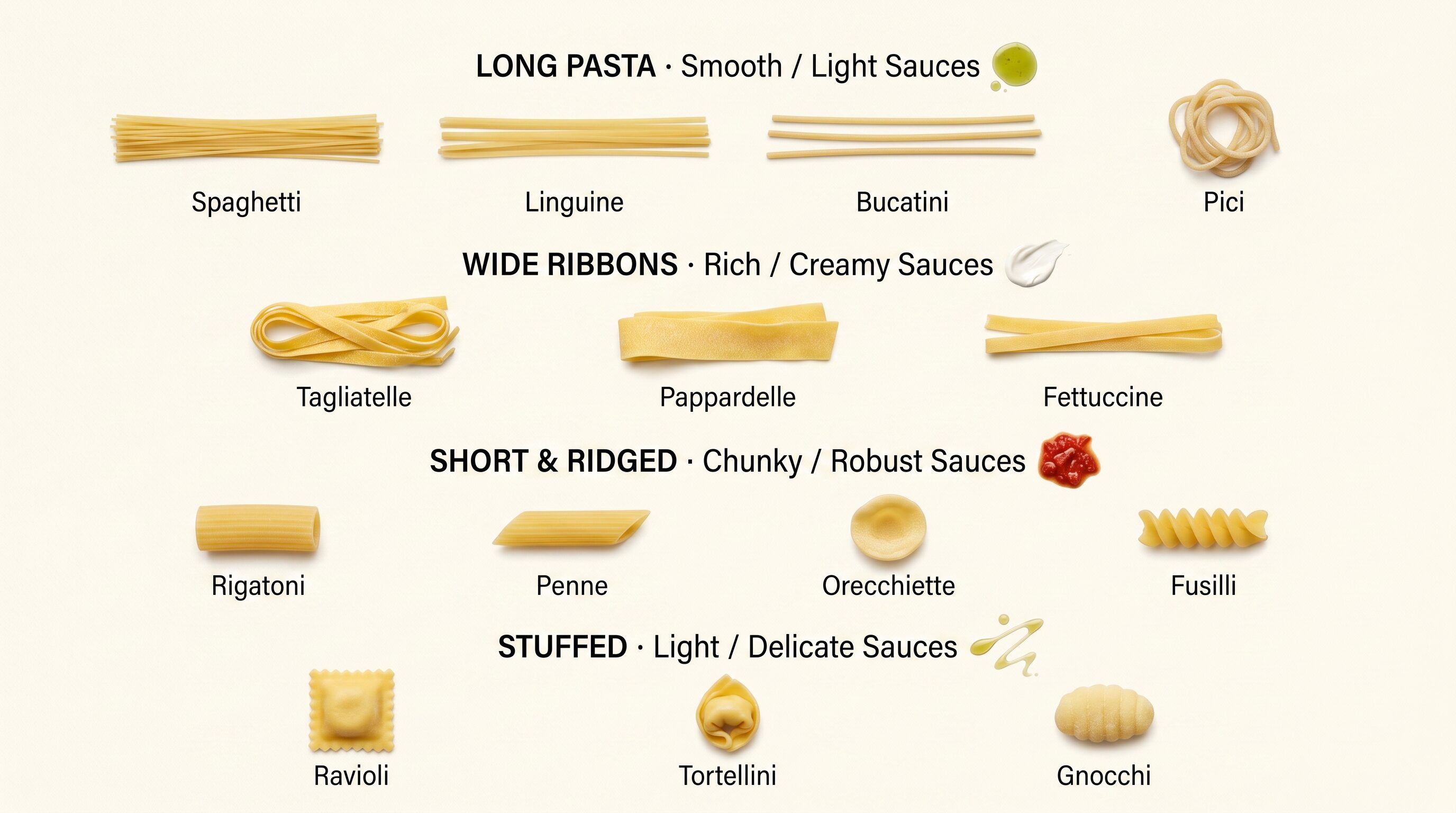
Here is a practical breakdown of the shapes you will encounter at Singapore’s best pasta places, along with the sauces they pair best with.
The pairing logic is not arbitrary. It comes down to a few practical principles that Italian cooks have followed for generations.
Ridges, hollows, folds, and spirals give sauce more places to cling. Smooth pasta shapes work best with sauces that can coat them evenly, while ridged or hollow shapes are better suited to thicker, chunkier, or meatier sauces.
A delicate strand needs a lighter sauce, while a sturdy ribbon, tube, or ridged shape can carry something richer. This is why angel hair works better with light tomato, seafood, or oil-based sauces, while pappardelle, rigatoni, and tagliatelle can stand up to ragù, mushrooms, or creamier sauces.
With ravioli, tortellini, and other stuffed pasta, the sauce should complement the filling rather than compete with it. Butter, sage, light cream, simple tomato, or a restrained cheese-based sauce can work well, depending on the filling.
Yes, and it matters more than most diners realise. Fresh pasta is typically made with a softer variety of wheat, while dried pasta uses durum wheat. The texture difference affects how each absorbs sauce.
Fresh pasta is softer, more porous, and cooks quickly. It suits delicate, butter-based, or cream sauces. Also, it is essential for stuffed shapes like ravioli and tortellini, where the dough must be pliable enough to seal properly. Fresh pasta, often made with egg, semolina and water, has a richer taste and is ideal for delicate dishes.
Dried pasta, by contrast, has a firmer bite and holds up better to longer cooking and heavier sauces. Many chefs prefer bronze-cut dried pasta. The rougher surface grips sauces more effectively than smooth, machine-extruded varieties.
At the best pasta places in Singapore, you will find both, and the distinction is explained on the menu or by staff who actually understand what they are serving.
Italy’s pasta culture is deeply regional. Many pairings come from regional traditions. In Emilia-Romagna, where slow-cooked ragù is queen, wide tagliatelle is the perfect match because it’s sturdy enough to carry the richness. In Tuscany, pici with aglione is the local classic. In Naples, spaghetti alle vongole is the gold standard.
As a general rule, in northern Italy, sauces are made with butter and tend to be a little heartier. Southern Italian pasta dishes tend to be cooked with olive oil and often feature seafood. Understanding this geography helps make sense of the menu wherever you are dining.
Pasta Fresca Da Salvatore is rooted in South Italian cuisine — olive oil, seafood, fresh tomatoes, and the kind of hearty, generous cooking that comes from Salvatore Carecci’s South Italian heritage.
Matching pasta to sauce is one of the easiest ways to immediately improve the quality of your Italian dining experience. The logic is structural, not complicated. Once you understand why the rules exist, they become second nature. The goal is always one perfect bite: pasta and sauce together.
For Singaporeans who want to explore this properly, Pasta Fresca Da Salvatore offers over 16 types of handmade pasta and 21 sauces — along with a pasta pairing guide that lets you build your own combination with confidence.
Whether you are new to Italian food or finding the best pasta places in Singapore, there is real pleasure in getting the match right. Come in and find yours.
