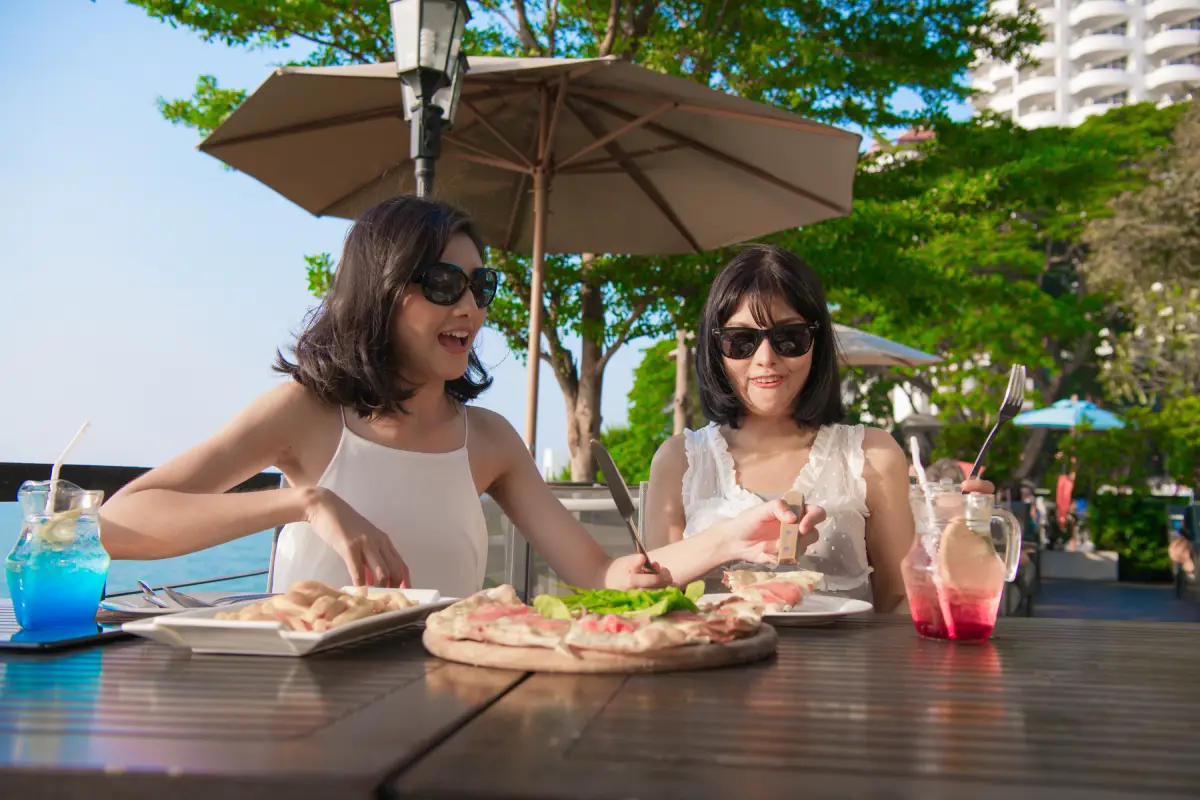
Outdoor dining is part of Singapore’s lifestyle. From riverside terraces to garden courtyards, alfresco restaurants offer a relaxed way to enjoy good food and fresh air. The key is timing.
Singapore’s tropical climate means warm temperatures all year. That does not mean outdoor dining is uncomfortable. With the right timing, table placement, and a little weather awareness, alfresco meals can be one of the most enjoyable ways to dine in the city.
This guide explains how locals plan alfresco dining in Singapore, including the best hours of the day, the most comfortable months, and simple tricks that make outdoor dining far more enjoyable.
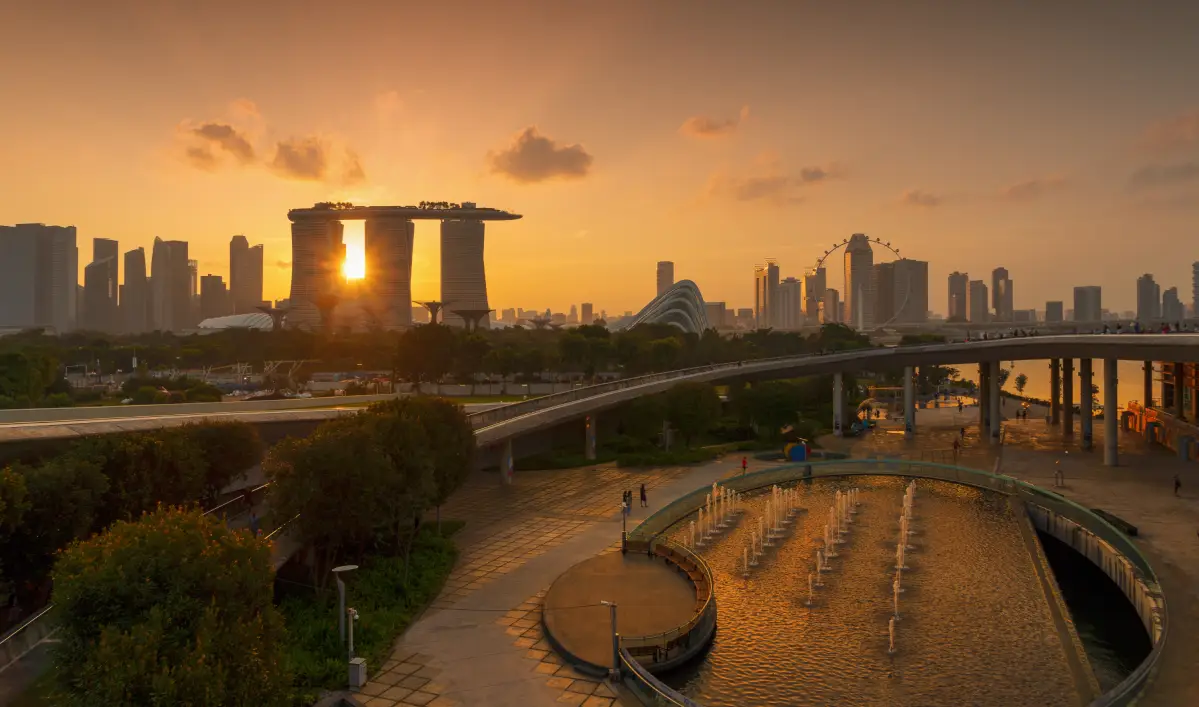
Singapore sits close to the equator, which means temperatures stay fairly consistent throughout the year. What changes more noticeably are humidity levels, rainfall patterns, and wind conditions.
Those small shifts can dramatically change the outdoor dining experience. A breezy evening in January can feel refreshing, while a windless afternoon in May may feel far warmer than the actual temperature suggests.
Because of this, experienced diners often plan outdoor meals around three things:
Understanding these factors helps you enjoy alfresco dining without worrying about heat or sudden rain.
Morning hours are often the most pleasant time for alfresco dining in Singapore. Temperatures are lower, humidity has not yet peaked, and the city feels calmer.
Outdoor breakfast or brunch works particularly well in leafy neighbourhoods where trees provide shade and airflow.
Best for:
The gentle sunlight and quieter atmosphere make this a relaxing start to the day.
The most popular time for alfresco dining is between 5 pm and 8 pm. As the sun begins to set, temperatures gradually drop and breezes become more noticeable.
Restaurants with outdoor terraces often come alive during this period. City lights begin to glow, and the ambience becomes far more atmospheric.
To get the most out of this time slot:
This window is widely considered the most comfortable time for outdoor dining.
Outdoor dining after 9 pm can still be enjoyable, especially in lively neighbourhoods with nightlife.
However, humidity tends to rise again later in the evening. Restaurants usually rely on ceiling fans or open layouts to keep the air moving.
This time works well if you enjoy:
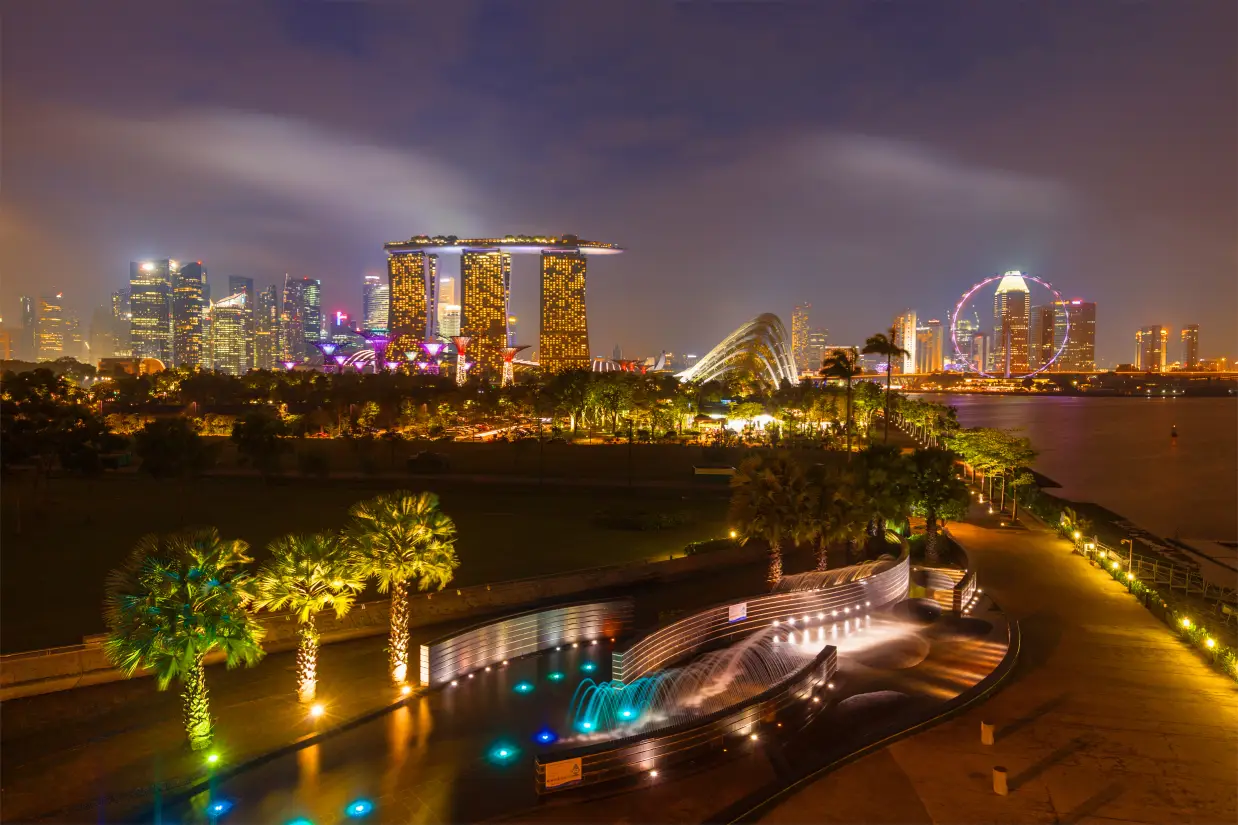
Although Singapore has warm weather throughout the year, some periods are noticeably better for outdoor meals.
These months often bring slightly cooler temperatures and more consistent breezes. Rainfall can still occur, but it is usually lighter and less frequent.
Many diners consider this period the most comfortable for outdoor dining, especially in the evenings.
Good occasions during this season include:
Humidity levels increase during this period, and short afternoon storms are common. Outdoor dining is still possible, but it helps to choose restaurants with sheltered terraces or retractable awnings.
One advantage is that rain showers often cool the air afterwards. Post-rain evenings can feel surprisingly refreshing.
These months can feel warmer, but they also tend to bring slightly stronger breezes in open areas.
Outdoor dining is most enjoyable in the evening, particularly near waterfront districts where natural airflow helps offset the heat.
Thunderstorms occur more frequently during these months, often in the late afternoon. Planning earlier dinners or choosing venues with covered outdoor seating can make the experience much more comfortable.
Choosing the right time is only part of the equation. A few practical considerations can significantly improve outdoor dining comfort.
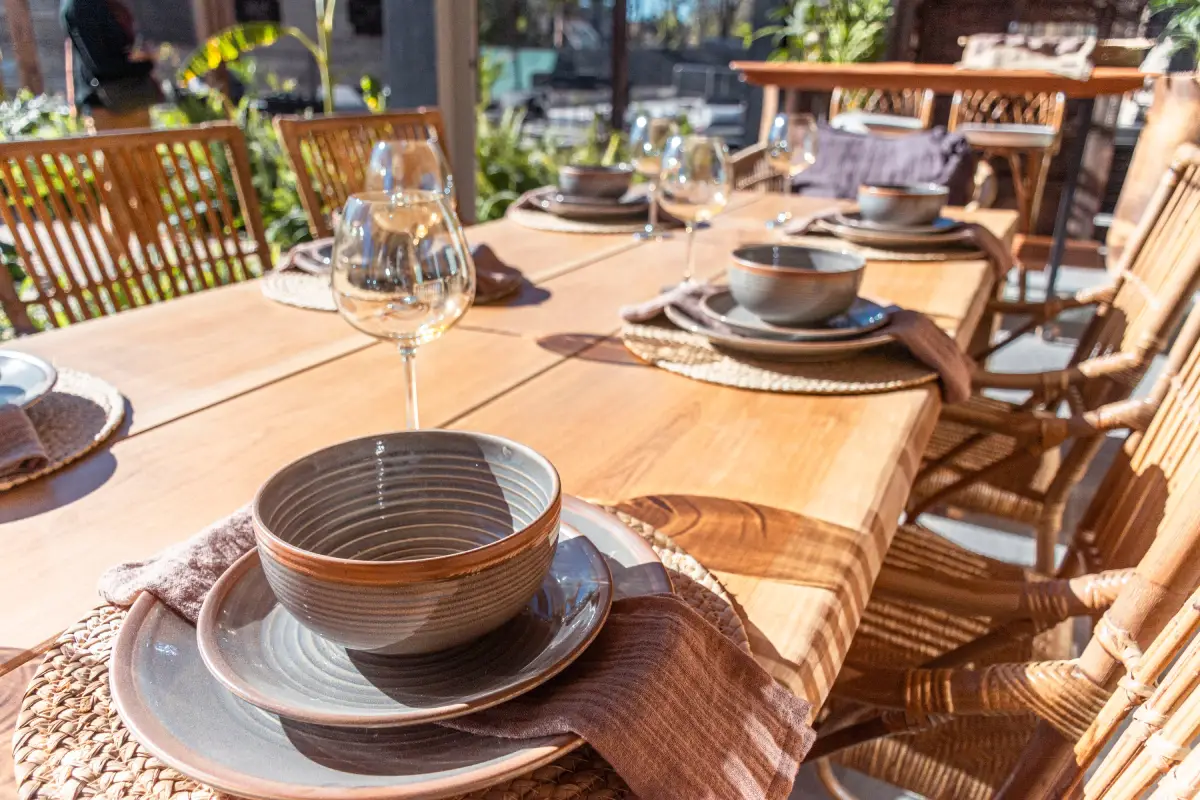
Despite the tropical climate, alfresco dining in Singapore is possible throughout the year. The key is simply choosing the right time and venue.
Many restaurants design their outdoor spaces with Singapore’s weather in mind. Covered terraces, ceiling fans, and open layouts allow guests to enjoy fresh air while staying comfortable.
When timed well, outdoor dining becomes more than just a meal. It turns into a relaxed experience where good food, warm evenings, and city views come together.
For diners who enjoy Italian cuisine in an open-air setting, a thoughtfully designed terrace can offer the perfect balance between comfort and atmosphere.
Yes, alfresco dining is quite common in Singapore, especially in areas with waterfront views, gardens, or pedestrian dining districts. Many restaurants design outdoor seating areas to take advantage of breezes and scenic surroundings. Some venues also install fans or covered terraces to make outdoor dining more comfortable despite the tropical climate. As a result, alfresco dining is popular for casual meals, brunch, and evening gatherings.
Many restaurants in Singapore provide sheltered outdoor seating. Covered terraces, retractable awnings, and large umbrellas are common features that protect diners from sun and sudden rain. Some venues also add ceiling fans or misting systems to improve airflow and comfort. These design elements allow guests to enjoy outdoor dining even during humid conditions.
Alfresco dining can still be enjoyable during the rainy season if the venue has proper shelter. Many restaurants design outdoor areas with partial roofing so diners can stay dry while enjoying fresh air. Short rain showers are common in Singapore and often cool the environment afterwards. For this reason, evening dining after rainfall can sometimes feel more comfortable than earlier in the day.
Lightweight and breathable clothing works best for alfresco dining in Singapore. Fabrics such as cotton or linen help keep you comfortable in warm and humid weather. Many diners prefer smart casual outfits that balance comfort with style. If dining in the evening, bringing a light layer can be useful if there is wind or air movement from fans.
Waterfront locations often provide a more comfortable alfresco dining experience. Areas near rivers, the sea, or open promenades usually benefit from stronger natural breezes. This airflow helps offset the humidity that Singapore is known for. As a result, many popular alfresco restaurants are located along the Singapore River, Marina Bay, and coastal parks.
