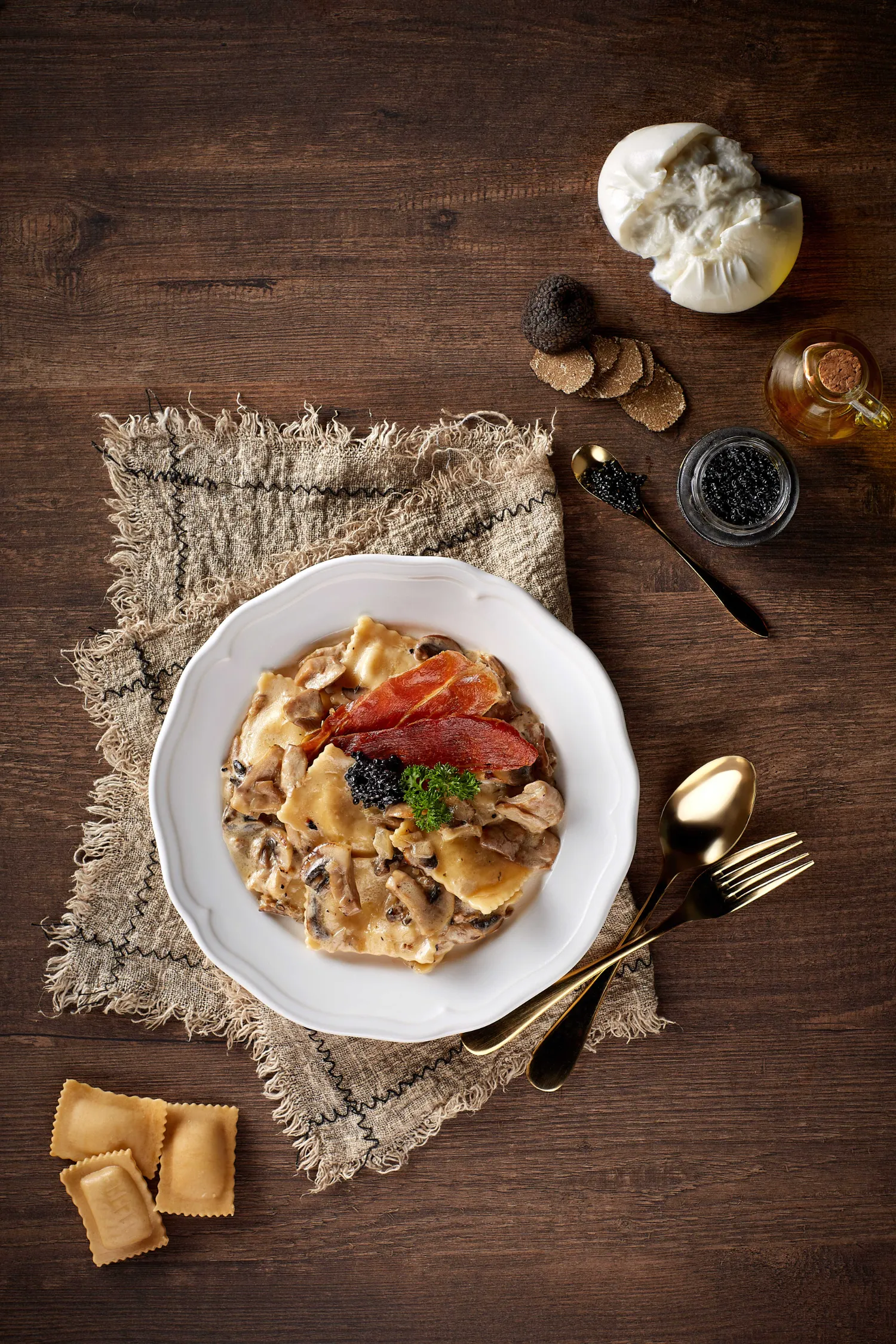
There is a significant difference between a standard plate of pasta and one that provides a memorable experience: good pasta in Singapore. You’ve likely already tasted a pasta dish—it’s usually red sauce spaghetti.
However, unlike the commonplace pastas we see in cafe menus, catering services, and children’s birthday parties, good pasta is true to its Italian roots. It’s different from the standard pasta in terms of its ingredients, how it’s prepared, and ultimately, how it tastes.
In many kitchens, pasta dishes are made using dried pasta from a packet. This pasta is made from durum wheat semolina and water. It is boiled in a large pot of water until it reaches a certain level of softness.
The sauce is prepared separately. It might be a tomato-based red sauce, a cream-based white sauce, or an oil-based sauce. This is usually canned sauce. Many establishments use pre-made bases to save time. They might saute the sauce with some minced meat, seafood, or vegetables in the pan.
Once cooked, the pasta is drained. The sauce is then poured over the pasta.
This process prioritises speed. By no means does it produce bad-tasting pasta. Pasta made this way can still satisfy customers. While this is efficient, these pastas can become predictable. Nothing new. It provides comfort, but it rarely excites the palate.
To find something better, we need to look at the finer details of the craft.
Pasta is usually served as a “primo piatto.” This means it is the first course. It follows the “antipasti” or starters. It is then followed by a “secondo,” which is a meat or fish dish. The portions are often smaller because there are more courses to follow.
In a Singaporean restaurant, pasta is most commonly consumed as a main course. A diner will order one bowl of pasta as their entire meal. Because of this, the portions in Singapore tend to be larger and more filling. We expect a single plate to provide a complete balance of carbohydrates, proteins, and fats.
Pastas also pair beautifully with wine. For instance, a light and zesty Aglio e Olio pairs nicely with a crisp, dry white wine like a Pinot Grigio or Vermentino. These wines possess a bright acidity that cuts through the olive oil and highlights the freshness of the sea. When you find the right match, the wine enhances the herbs and spices in the dish, turning dinner into a memorable experience.
A good pasta dish is an art form. It requires more than just boiling water and stirring a pot. Several factors elevate a dish from average to exceptional.
Many people believe that more ingredients make a better dish. This is a common misconception.
In Italian cooking, simplicity is the ultimate sophistication. A good pasta focuses on a few ingredients. It does not mask tastes, hints, and tones underneath thick sauces.
Take the classic Aglio e Olio as an example. It only requires pasta, garlic, and olive oil. However, the outcome is a harmonious balance of garlicky, savoury, and rich.
When a chef can make a simple dish taste extraordinary, you know you are eating good pasta.
Italian cooking uses as few ingredients as possible. As a result, ingredient quality shines through.
A good Italian restaurant goes the extra mile to source the best items. Since Singapore doesn’t grow San Marzano tomatoes, they must be sourced from Italy.
Good pasta is intentionally made, using San Marzano tomatoes for red sauces. These tomatoes grow in volcanic soil and have a unique sweetness. Good pasta also uses extra-virgin olive oil for olive-based pastas.
Standard pasta can be made with things you’d buy from a grocery store. However, good pasta sources raw ingredients directly from Italy and makes its sauces and pastas in-house.
This is perhaps the most significant differentiator. Standard pasta comes from a box. Good pasta is often made in-house, ensuring freshness and optimal sauce cling.
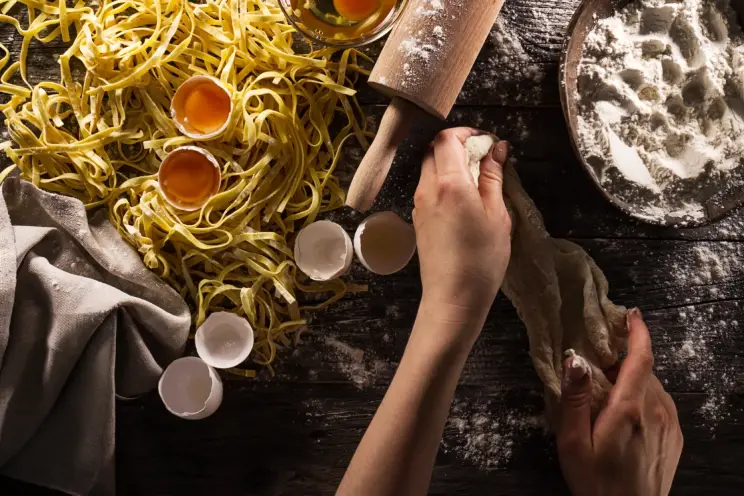
Handmade pasta, or “pasta fresca,” uses fresh eggs and premium flour. The process involves mixing, kneading, resting, and shaping the dough by hand or with a pasta roller.
The texture of handmade pasta is incomparable. It is silky, tender, and absorbs sauces much better than dried pasta.
When you eat a handmade spaghetti or fettuccine, you are eating something that required time and skill. This effort is what “made with love” refers to: the distinction between a mass-produced meal and a culinary masterpiece.
Have you ever finished a plate of pasta and found a pool of watery sauce at the bottom? This is a sign of standard pasta.
In a good pasta dish, the sauce and the pasta are one. This is achieved through a technique called “mantecatura.”
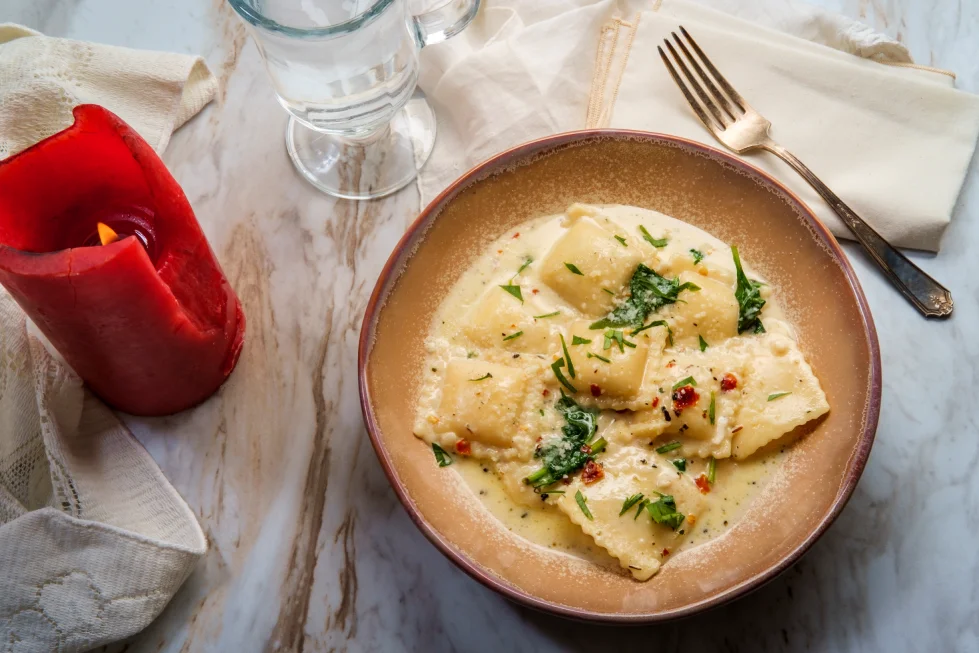
The chef finishes the pasta in the pan with the sauce. They add a splash of the starchy pasta cooking water to create an emulsion. The sauce clings to every strand or shell. It does not slide off.
Plus, because the pasta is handmade, it better unites the pasta and sauce, making them one, cohesive, and flavorful entity.
Authenticity is about respecting tradition. There are many “fusion” pastas in Singapore that use cream in Carbonara or add sugar to tomato sauce. While these might taste okay, they are not authentic.
A good pasta respects the origins of the recipe.
An authentic Carbonara uses guanciale, pecorino romano, and eggs—no cream whatsoever. Its thickness is created by the emulsification of the rendered guanciale, pecorino romano, and eggs.
Spaghetti pomodoro should get its sweetness from the tomatoes. It should not be sweetened by sugar, as this will result in a different flavour profile
Authenticity provides a connection to Italian culture. It allows Singaporean diners to experience the true flavours of Rome, Tuscany, or Sicily without leaving the island.
While authenticity is important, a good pasta can also show creativity. Otherwise, every pasta place and authentic Italian restaurant would be the same—tied down by the same rules.
Like all art forms, cooking is an art, and rules are meant to be guidelines, not fences. “Rules are meant to be broken,” they say.
However, they must still apply the fundamental rules of Italian cooking. Creative interpretation should enhance the dish, not confuse it.
Here at Pasta Fresca, we like to experiment and spread our culinary artistry.
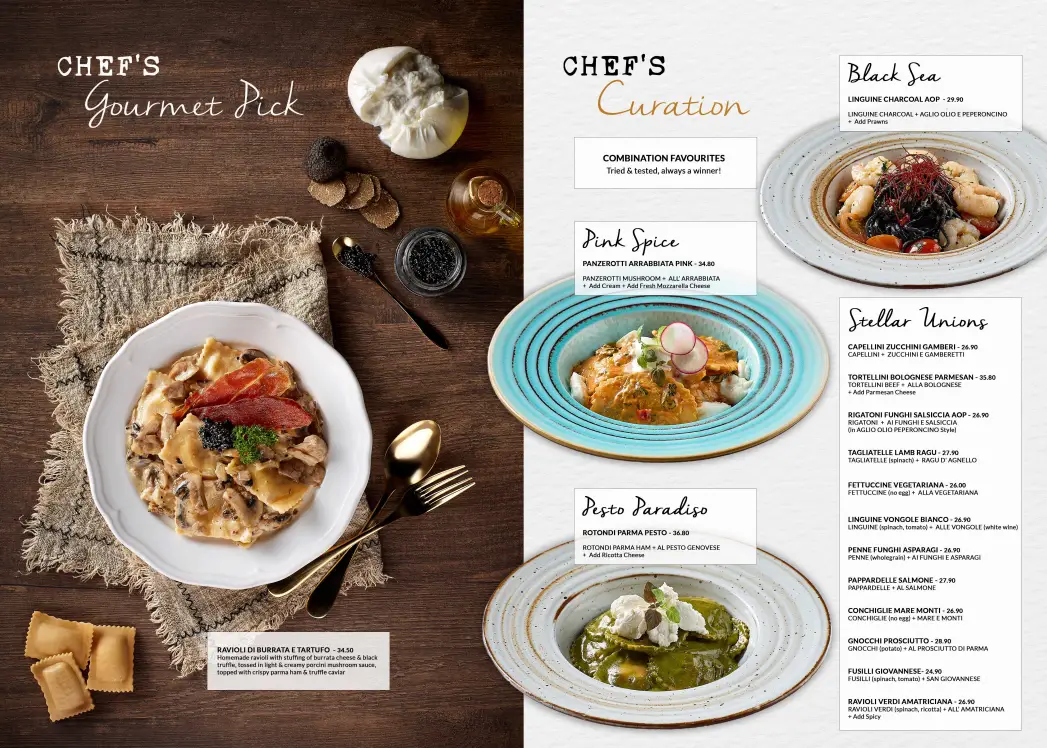
One of our chef’s gourmet picks is a rotondi stuffed with parma ham, tossed in al pesto genovese, then topped with ricotta cheese. Though not a traditional pasta dish, our creative interpretation made for a luscious yet herbal, rich, savoury taste. After all, that’s what culinary artistry is all about.
Execution comes down to technical skill and timing. A good pasta must be served hot. It must be seasoned correctly. Most importantly, it must be cooked al dente, not soggy.
This attention to detail and level of precision is what you pay for in a top-tier restaurant.
A good pasta does not exist in a vacuum. It is part of a larger experience.
The ideal pasta is paired with the right wine or side dishes. For example, a heavy meat ragu pairs beautifully with a bold red wine. A light seafood linguine goes well with a crisp white wine.
These pairings enhance the flavours of the pasta, highlighting notes and building new flavors.
Singapore offers many choices for pasta. Some of the most common places to find the pastas with the qualities mentioned above include the following:
These are usually small, intimate spaces. They often feature an open kitchen where you can watch the chefs work.
Pasta bars are great for foodies who want to see the “theatre” of cooking. They offer a modern and energetic atmosphere.
Casual restaurants are found in many shopping malls and heartland areas. These are perfect for — as the name suggests — casual, laid-back dining experiences. Opposite of what you expect with a corporate dinner.
They offer a wide variety of familiar dishes, such as beef lasagna and spaghetti bolognese.
It’s important to look through reviews when it comes to casual joints if you’re after Italian authenticity, however. While casual joints have excellent culinary execution and use the best ingredients they can source, they tend to lean toward popular tastes over authenticity.
If you want the best possible experience, you should look for authentic Italian restaurants.
These establishments are run by chefs committed to the Italian culinary philosophy. They prioritise handmade pasta, Italian-sourced ingredients, and traditional Italian recipes. They don’t chase after trending or emerging tastes; instead, they honour the Italian craft by staying true to its recipes.
These restaurants offer a piece of Italy in Singapore. They are the best places for celebrations, romantic dates, or anyone who wants to experience real Italian cooking.
That’s not to say there isn’t room for creative interpretation, however. Here at Pasta Fresca, our chef’s gourmet picks are artisan choices that you won’t see in a traditional Italian restaurant. Cooking is an art form that aims to explore, not conform.
If you are looking for a place that embodies all these qualities and serves good pasta in Singapore, look no further than Pasta Fresca Da Salvatore.
We have been a part of the Singaporean food scene since 1988. Our journey started with a simple mission. We wanted to bring the true taste of fresh, handmade Italian pasta to this city.
At Pasta Fresca, we do not believe in shortcuts. We specialise in “pasta fresca,” which means fresh pasta. Our pasta is made daily using premium ingredients. We offer a wide variety of shapes that you will not find in a standard grocery store. From the wide ribbons of Pappardelle to the delicate pockets of Ravioli, we offer a range of pasta shapes to pair with a variety of sauces.
You can mix and match your favourite pasta shape with our wide range of authentic sauces.
Visit Pasta Fresca’s branches in Boat Quay and Bukit Timah. Come by today and taste the difference that passion, freshness, and authenticity make. Your journey to the perfect plate of pasta starts here.
Handmade pasta is prized for its tender texture and its ability to absorb delicate sauces, making it the preferred choice for a gourmet experience. While high-quality dried pasta is excellent for a firm bite in certain dishes, handmade pasta fresca offers greater freshness and culinary craftsmanship.
Cooking pasta al dente ensures it retains a firm structure and a satisfying chew instead of becoming soggy or mushy. This gives the pasta its structure, making it more cohesive.
Each shape is designed to complement a specific sauce type for the best eating experience. Wider ribbons, like Pappardelle, are designed to carry heavy meat ragus, while thinner strands, like Spaghetti, are ideal for light, oil-based sauces.
The vibrant yellow colour of good pasta usually comes from a high ratio of fresh egg yolks. Standard dried pasta lacks eggs, resulting in a paler, beige appearance. If the pasta on your plate is a rich gold, it is a strong visual indicator of fresh, egg-based pasta fresca.
