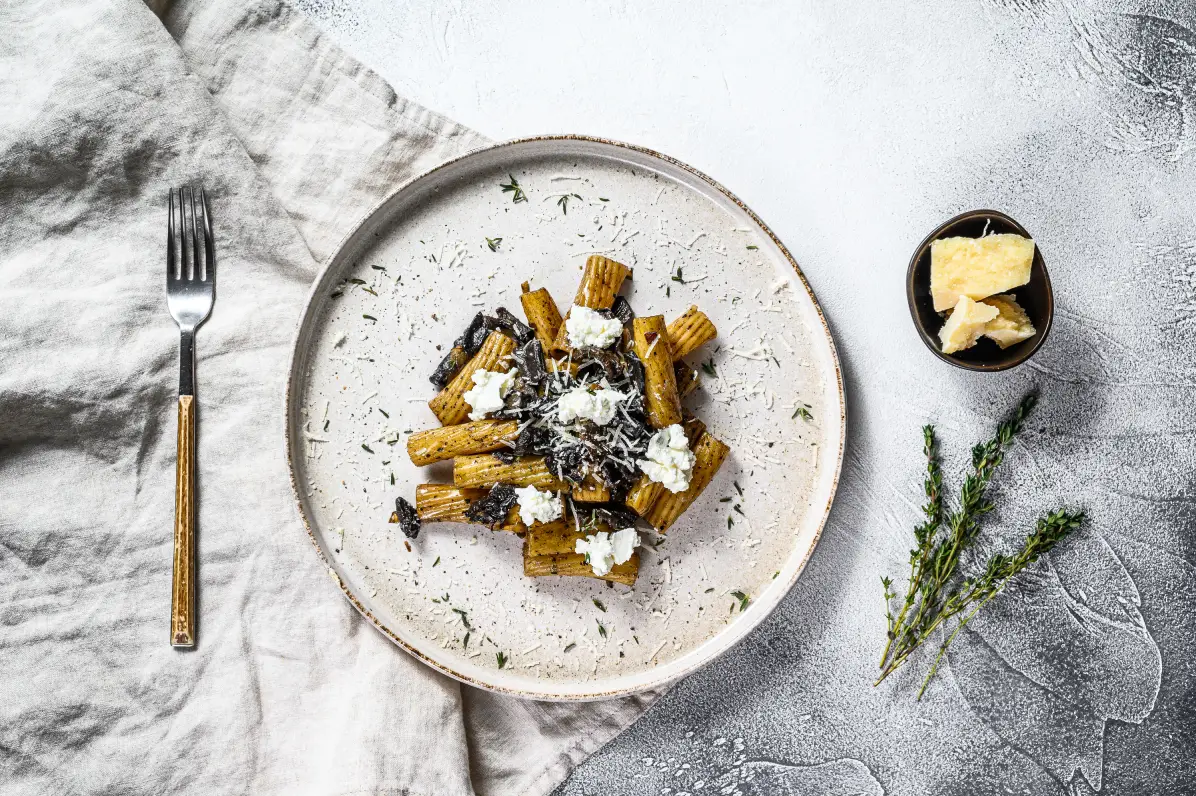
If you actively hunt for dishes worth travelling across town for, there are truffle pasta dishes that Singapore diners keep talking about. Few pasta dishes trigger the same reaction at the table. The aroma hits first. Earthy, savoury, unmistakably rich. Then the flavour arrives, coating every strand of pasta in deep umami that feels indulgent without being complicated.
Across Singapore, truffle pasta has moved far beyond fine dining. What used to appear only in Italian restaurants is now a familiar sight in cafés, bistros, and modern European kitchens. Walk through dining districts like Tiong Bahru, Robertson Quay, or Telok Ayer and you will likely see some version of the dish on the menu.
The reason is simple. Diners want a dining experience that feels luxurious but still accessible. This guide shows you why truffle pasta became a local favourite, what separates a great version from an average one, and where you can find standout plates across the city.
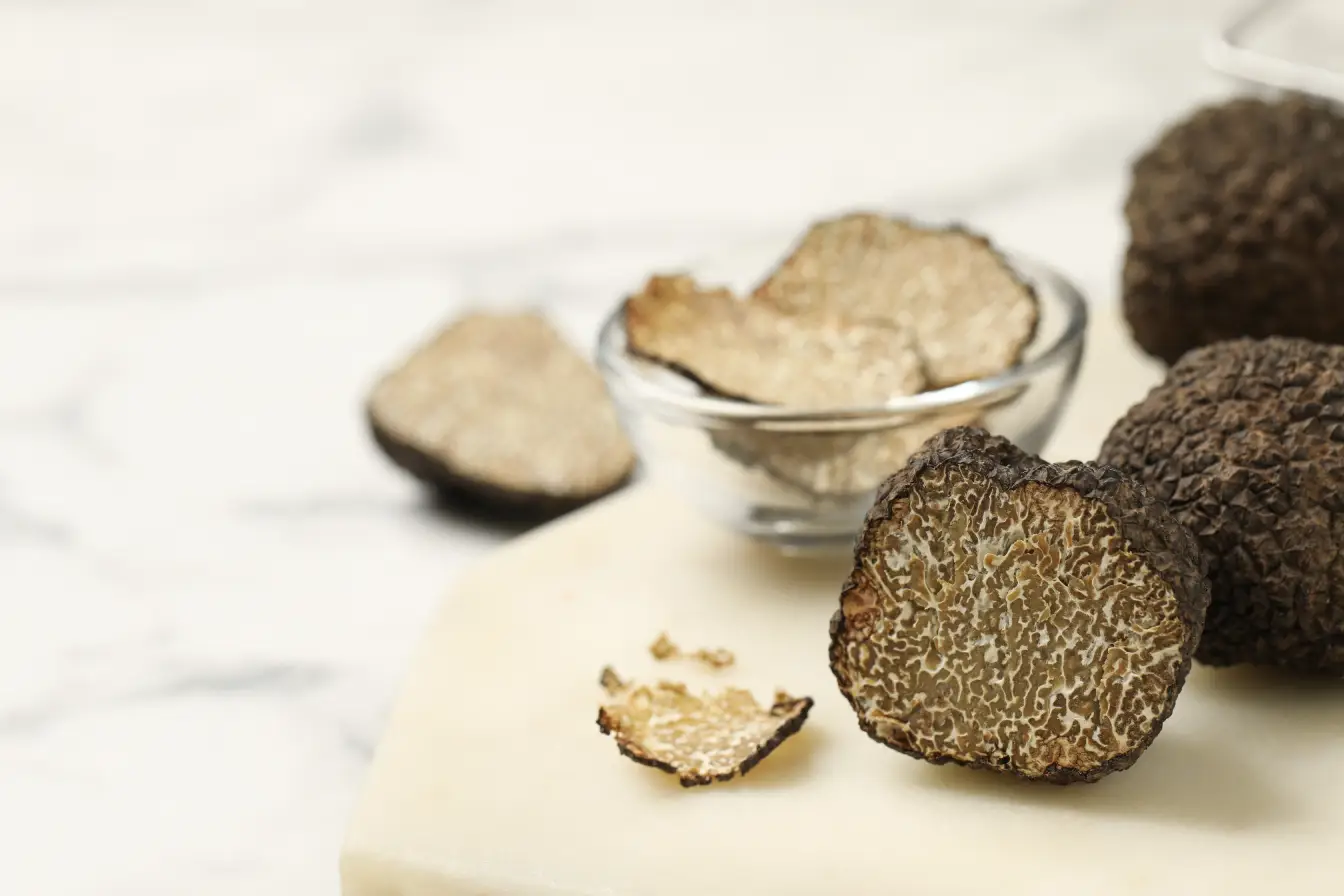
To understand the appeal, let’s start with the ingredient itself. Truffles are rare underground fungi that grow near tree roots, particularly in parts of Italy and France. They have been prized in European cooking for centuries because their aroma intensifies dishes without the need for complicated seasoning.
According to the Encyclopaedia Britannica, truffles are considered a culinary delicacy due to their strong aroma and rarity. Restaurants generally use three forms of truffle in pasta dishes:
| Ingredient | Flavour profile | How restaurants use it |
| Black truffle | Earthy and nutty | Often shaved over pasta or infused into sauces |
| White truffle | More pungent and garlicky | Usually shaved fresh over simple pasta |
| Truffle oil | Aromatic oil infused with truffle compounds | Common in cafés because it is more affordable |
Not every restaurant uses real truffles. Many cafés rely on truffle oil because it creates the recognisable aroma without the cost of fresh truffles.
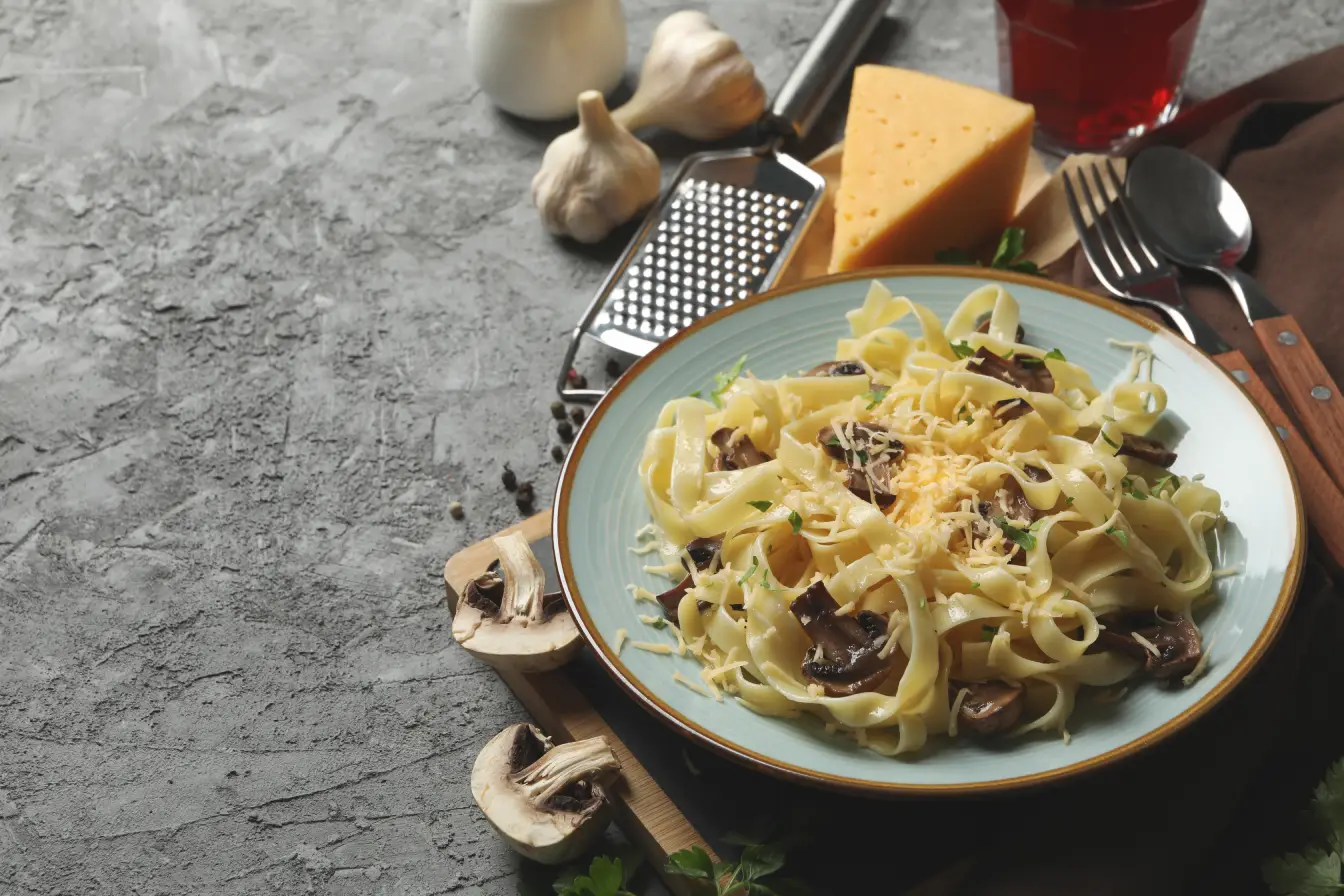
What matters more is how the ingredient is paired. Pasta shapes such as tagliatelle, fettuccine, and pappardelle work particularly well because their wide surfaces hold sauces and aromas effectively. Cream, butter, and parmesan amplify the umami notes of truffle, turning a simple pasta dish into something memorable.
That balance explains why the dish appears so often across truffle pasta in Singapore menus today.
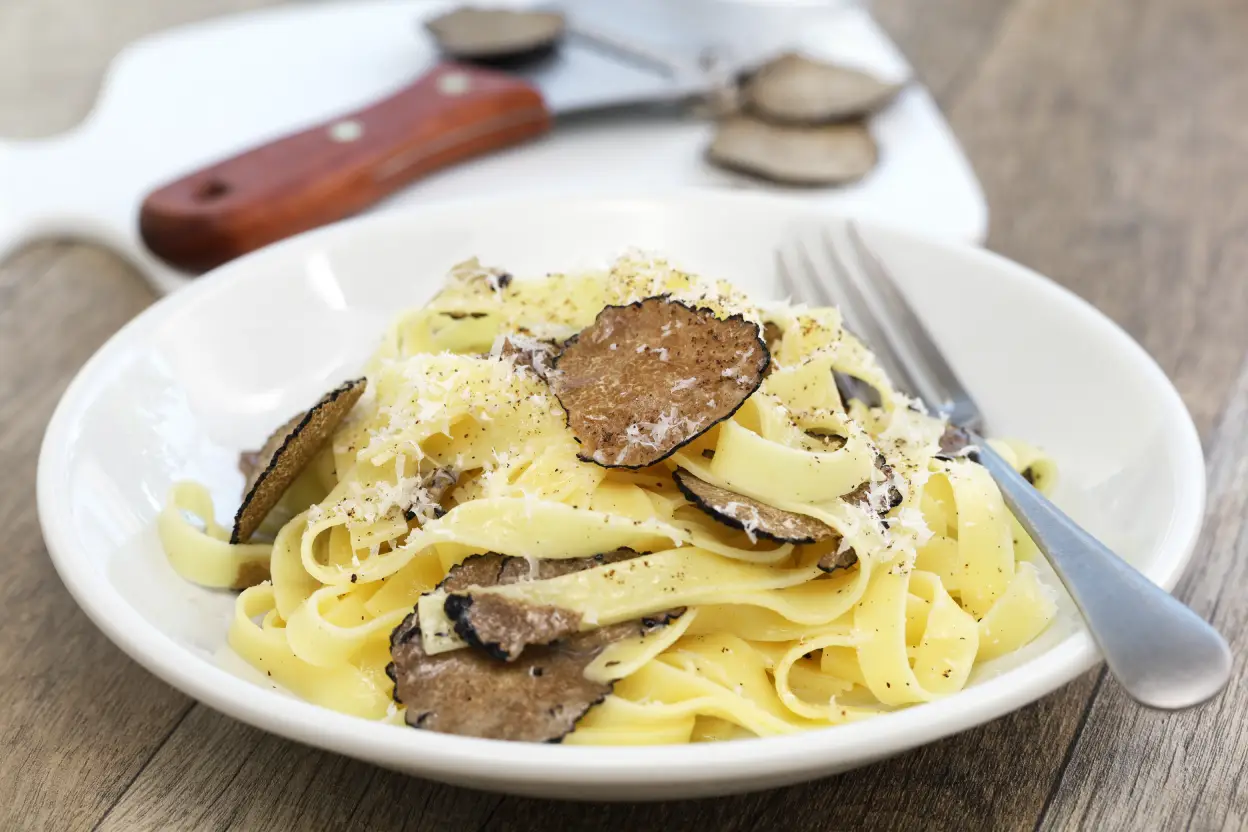
Once you start exploring restaurants, you will notice that truffle pasta is rarely served in just one style. Chefs adapt the ingredient in several ways, each highlighting a different flavour profile. Your options include the following:
This is the version many diners encounter first. Cream sauce forms the base, often combined with parmesan and sautéed mushrooms.
The texture is smooth and comforting. The cream softens the intensity of truffle and creates a balanced flavour that appeals to a wide range of diners.
Mushrooms and truffles share similar earthy flavour compounds, which is why this pairing appears frequently on vegetarian menus.
Many restaurants use mushrooms such as portobello or porcini to deepen the flavour. The result is rich without feeling overly heavy.
Some Italian restaurants in Singapore add truffle to traditional carbonara.
Classic carbonara uses egg, cheese, and cured pork such as pancetta. When truffle is added, the dish becomes more aromatic and luxurious while still maintaining its traditional character.
If you enjoy bold umami flavours, this variation is worth trying.
Parmesan or pecorino cheese forms the base while truffle adds depth and aroma. The result is intense, savoury, and deeply satisfying for many truffle pasta enthusiasts.
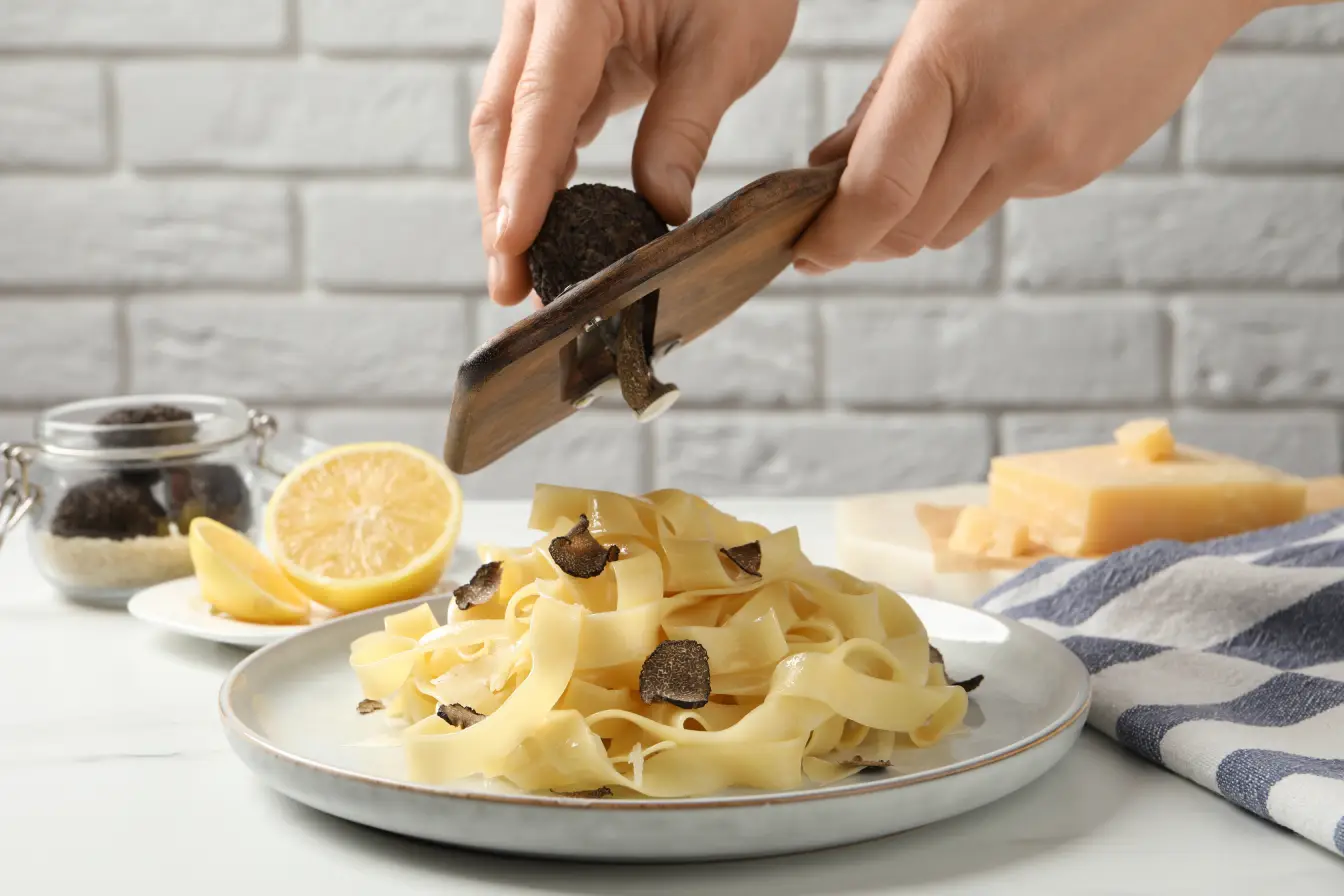
You might assume the popularity of truffle pasta began in high-end Italian restaurants. In reality, the café scene helped accelerate its rise.
Singapore has developed one of the most vibrant café cultures in Southeast Asia. Food-focused neighbourhoods such as Tiong Bahru, Everton Park, and Bugis regularly attract diners who want unique brunch and dinner options.
According to the Singapore Tourism Board, food and beverage accounted for 15% of Singapore’s tourism receipts in 2023 (a 63% increase from pre-pandemic levels) underlining how culinary experiences have become one of the city’s strongest draws for international visitors.
Truffle pasta fits perfectly into this environment for three reasons:
Once you begin exploring different restaurants, you will quickly realise that not every dish delivers the same quality.
A few quick checks can help you identify a standout plate. Look for these indicators before ordering:
Many cafés use truffle oil. High-end Italian restaurants may shave fresh truffle over pasta when available.
Fresh pasta tends to absorb sauces better and creates a softer texture.
The truffle aroma should enhance the sauce rather than overpower it. Excessive truffle oil can create an artificial taste.
Most good truffle pasta dishes in Singapore range from SGD 18 to SGD 35, depending on ingredients and restaurant type.
Ordering the dish is only part of the experience. A few small choices can elevate the meal.
First, think about what you drink alongside it. Wine experts often recommend pairing truffle dishes with aromatic white wines because they complement earthy flavours.
Common pairings include:
Second, consider sharing the dish. Truffle pasta can be rich, so many diners prefer ordering it as a starter before moving on to lighter mains.
Finally, eat it while it is hot. Truffle aroma fades as the dish cools, which is why restaurants typically serve it immediately after plating.
It is fair to ask whether the dish is simply a passing trend. Yet truffle pasta has remained popular across Singapore for years because it offers something unique. The combination of aroma, creaminess, and umami creates a sensory experience that diners remember long after the meal ends.
Even after trying many other pasta dishes, people often return to truffle pasta because the flavour feels indulgent yet familiar.
If you enjoy discovering dishes that blend comfort with culinary prestige, truffle pasta belongs on your dining itinerary.
Singapore’s dining scene excels at taking premium ingredients and presenting them in accessible ways. The city’s cafés and Italian restaurants have turned truffles into a dish that anyone curious about gourmet flavours can enjoy.
The next time you scan a menu, pause when you see truffle pasta that Singapore restaurants proudly highlight. When the dish is executed well, it delivers exactly what food lovers look for in a memorable dining experience. Aroma, richness, and a flavour that keeps you coming back.
Truffle pasta has a rich, earthy flavour often described as nutty and slightly garlicky. When combined with butter, cream, or parmesan cheese, the aroma becomes deeper and more savoury.
Truffles are rare fungi that grow underground and require trained animals to locate. Their limited supply and labour-intensive harvesting contribute to their high price.
Some restaurants use shaved fresh truffles, particularly during truffle season. Many cafés use truffle oil instead, which replicates the aroma at a lower cost.
Wide pasta shapes such as tagliatelle, fettuccine, and pappardelle work best because their surface area helps hold sauces and truffle flavours effectively.
Many versions are vegetarian when they include mushrooms, cream, and cheese. Some recipes include pancetta or bacon, so it is always worth checking the menu before ordering.
